If Dominical is the surf town, Uvita is where the errands get done. It is the commercial heart of this stretch of coast, and the reason a lot of full-time residents end up choosing it.
Uvita is the town people move to when they have already spent a season here. It is less romantic than Dominical on a first visit and considerably more practical to live in, and that reverses for most buyers somewhere around the third trip.
What is Uvita actually like?
It is the commercial center of this stretch of coast: the clinics, the schools, the shops and the everyday services are here. The feria runs Wednesday and Saturday. There is a BM supermarket for the regular shop, La Cola Market for wine, liquor and the harder-to-find things, and private urgent care. LaFise has a branch here, which matters more than it sounds if you are a foreign owner setting up banking — the private banks do not require residency, and this is the one I use.
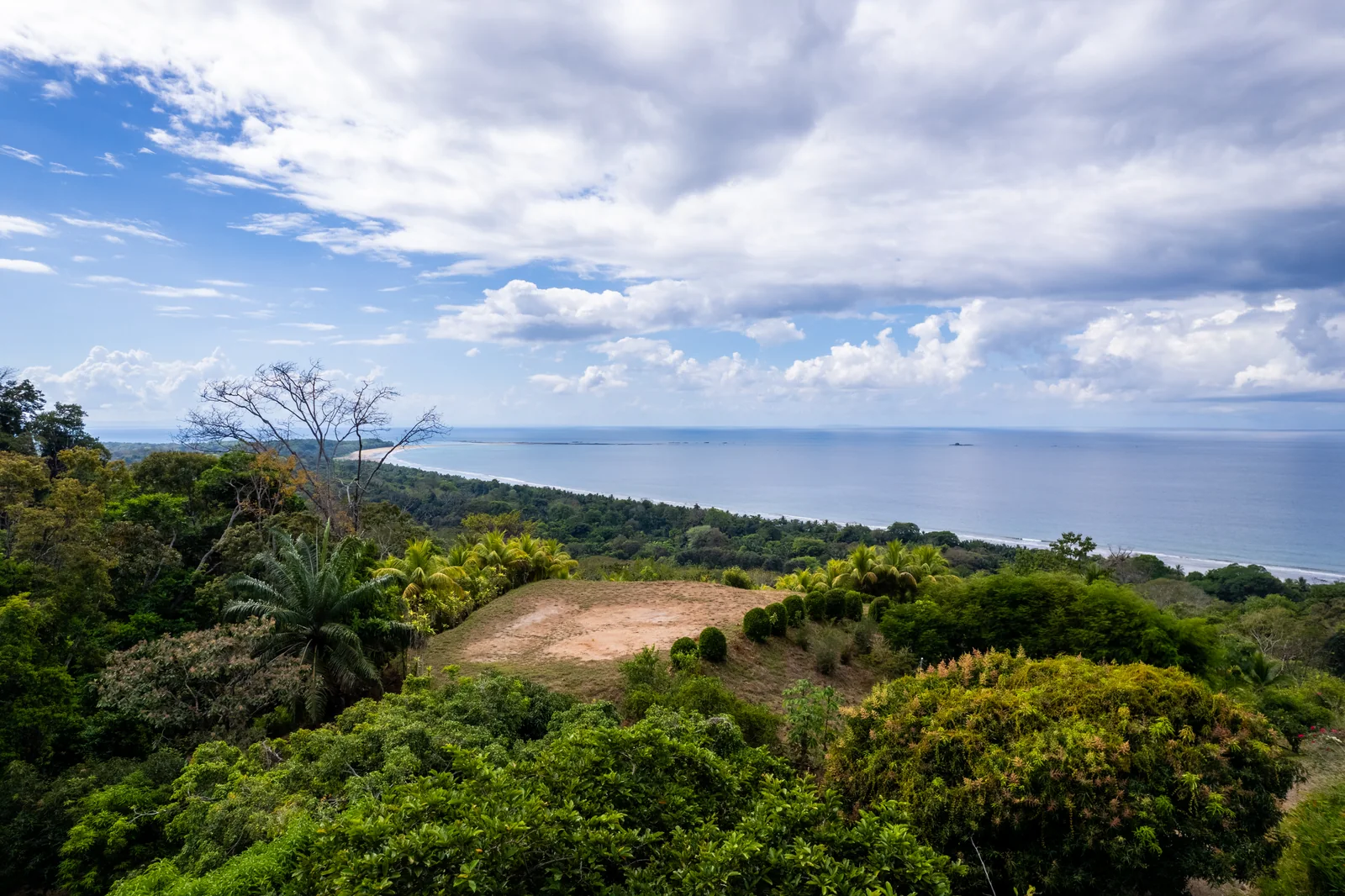
What Uvita has that nowhere else on this coast does is Marino Ballena National Park and the Whale’s Tail — the sandbar that reaches out from shore in the shape of a whale’s tail and appears at low tide. Humpbacks from both hemispheres migrate here to calve, which gives this coast one of the longest whale-watching seasons anywhere.
Who does Uvita suit?
Full-time residents and families more than anyone. Two of the three bilingual schools on this coast are in or beside Uvita — Ballena Academy in Playa Hermosa runs preschool through grade 12, and Uvita Christian Academy is PreK through 12 with a US-accredited diploma. Being able to do the school run, the shop and the bank without a mountain descent is not a small thing when it is your actual life rather than a holiday.
It also suits buyers who want elevation without isolation. Playa Hermosa, just north, is a quiet uncrowded stretch of beach with year-round surf and no developed town center — close enough to Uvita to be practical, far enough to be quiet.
What does property cost in Uvita?
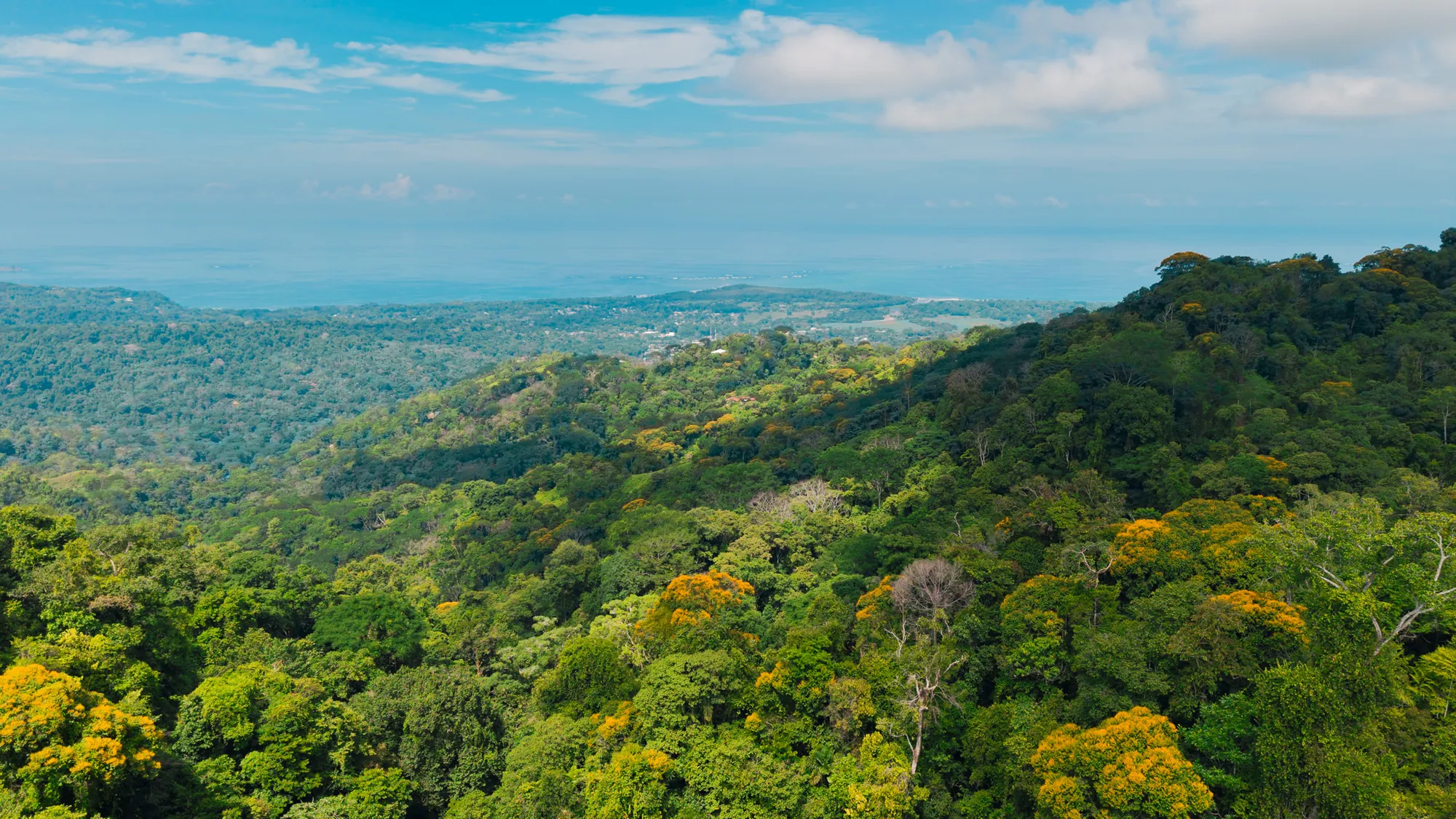
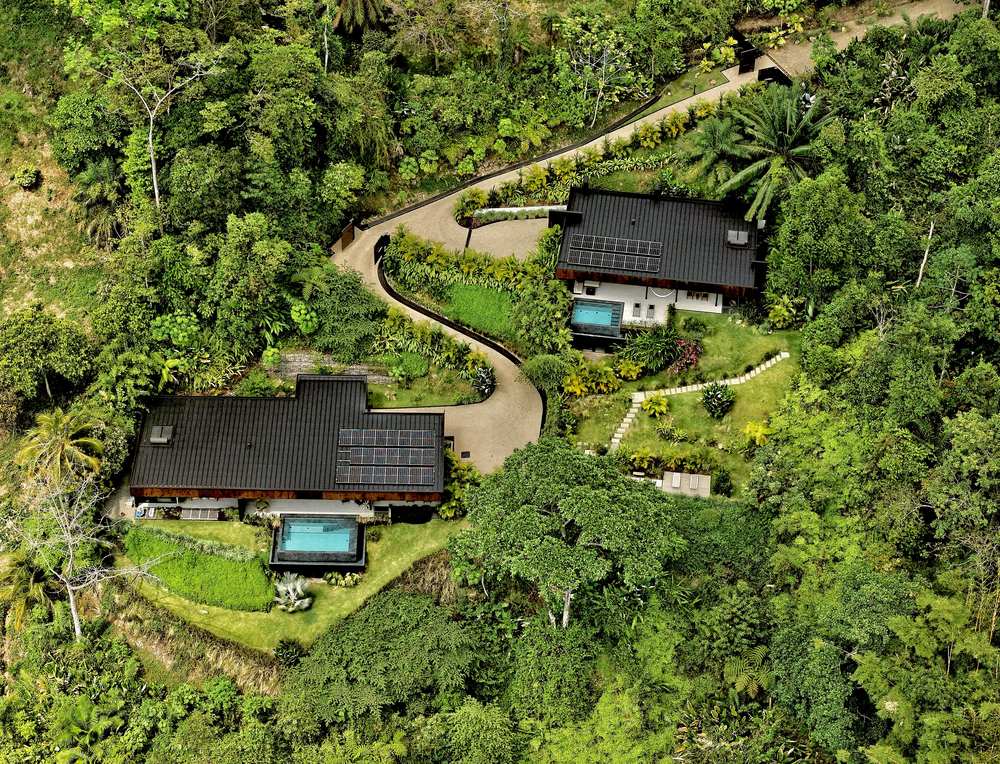
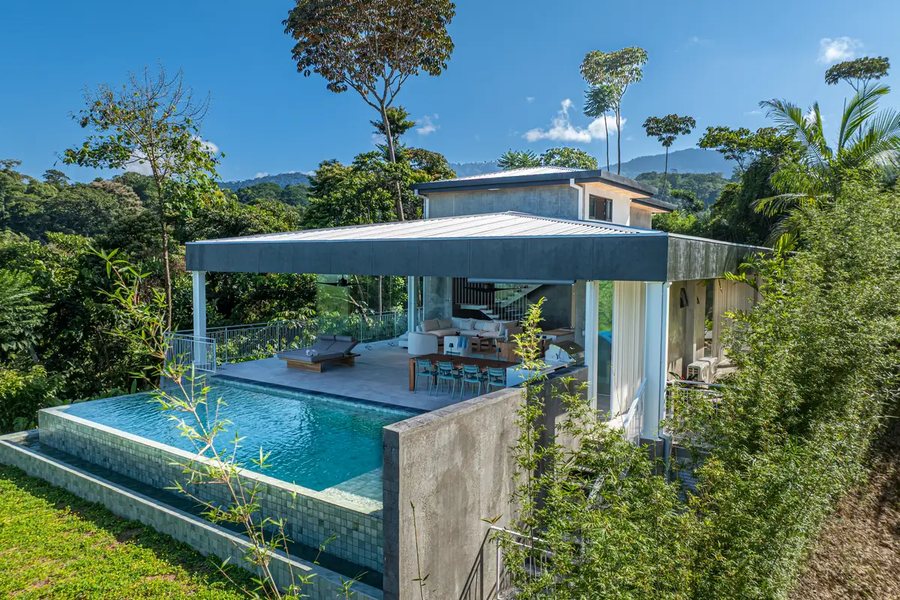
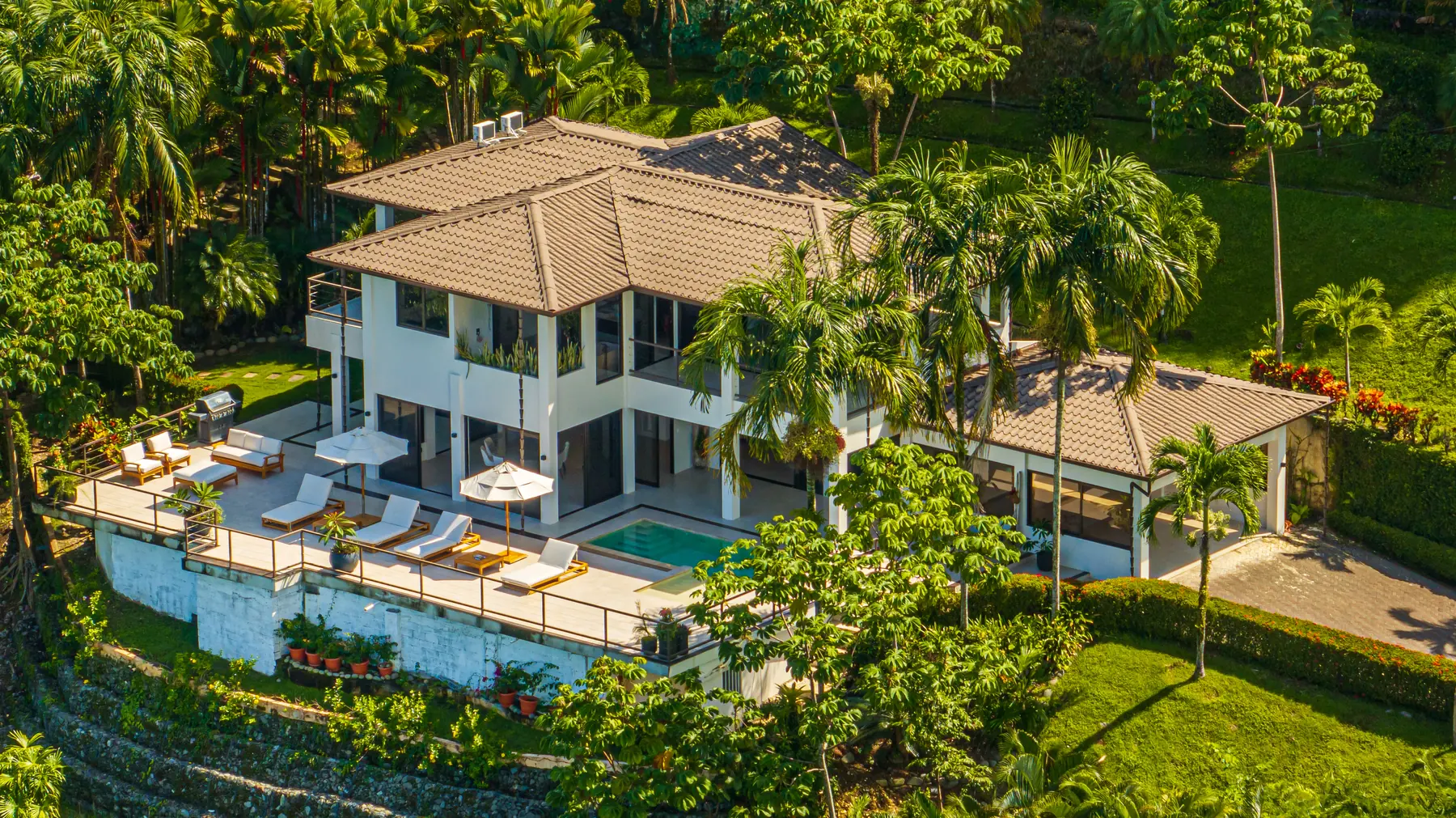
The Uvita properties I currently represent run from $1,480,000 to $6,500,000, and the mix is unusual: alongside the houses there is genuine acreage — a cloud forest reserve and a waterfall finca among them. That is a reflection of the terrain rising steeply behind the town rather than of anything I have engineered.
As everywhere here, this is my curated list rather than the market. No listing database here is complete or reliably current, and I would rather show you the handful I have walked than four hundred I have not.
What should you check before buying in Uvita?
Water first, always — rural systems are run ASADA by ASADA and capacity differs sharply from one town to the next. Then whether access is registered in the National Registry rather than simply drivable. Then whether you are buying titled land or a maritime-zone concession, which near the coast is a real question and not a formality.
Water, access and title are covered properly in Water, Access and Title. Closing costs, the transfer tax, the luxury tax, current build costs, the 2026 rental tax and residency are in What It Actually Costs to Own Here. The step-by-step transaction — LOI, SPA, escrow, the notario, whether you need a corporation and whether you need a Costa Rican will — is in The Process. The gated developments and enclaves in this area are listed on Communities. Dominical and Ojochal each have their own page, and for how Uvita sits against the rest of the coast — Quepos, the Osa Peninsula, the Golfo Dulce and Pérez Zeledón — see The Southern Pacific, Area by Area. And if a parcel here carries standing forest, the payments available for keeping it that way are in Getting Paid to Keep the Forest Standing. The marine park this town fronts — and the ten-month whale season that runs through it — is Marino Ballena.