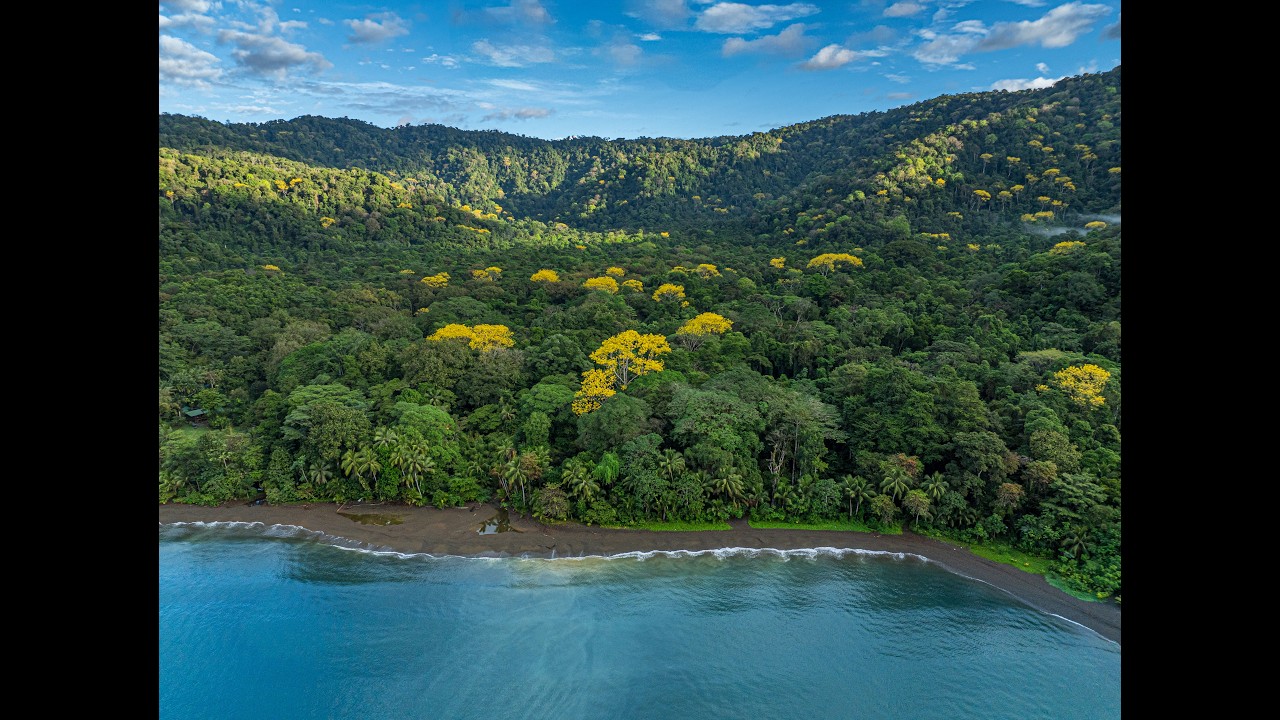
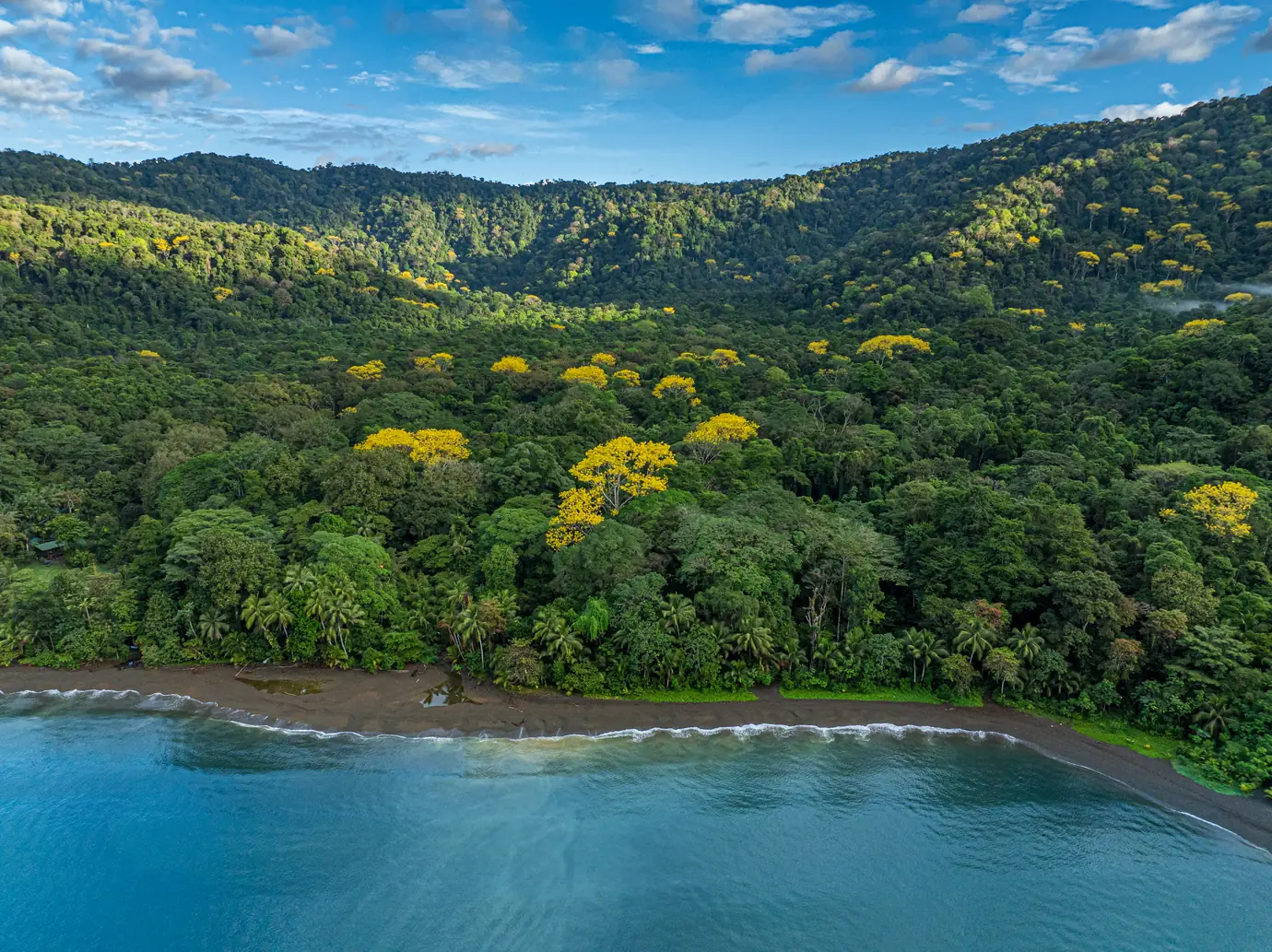
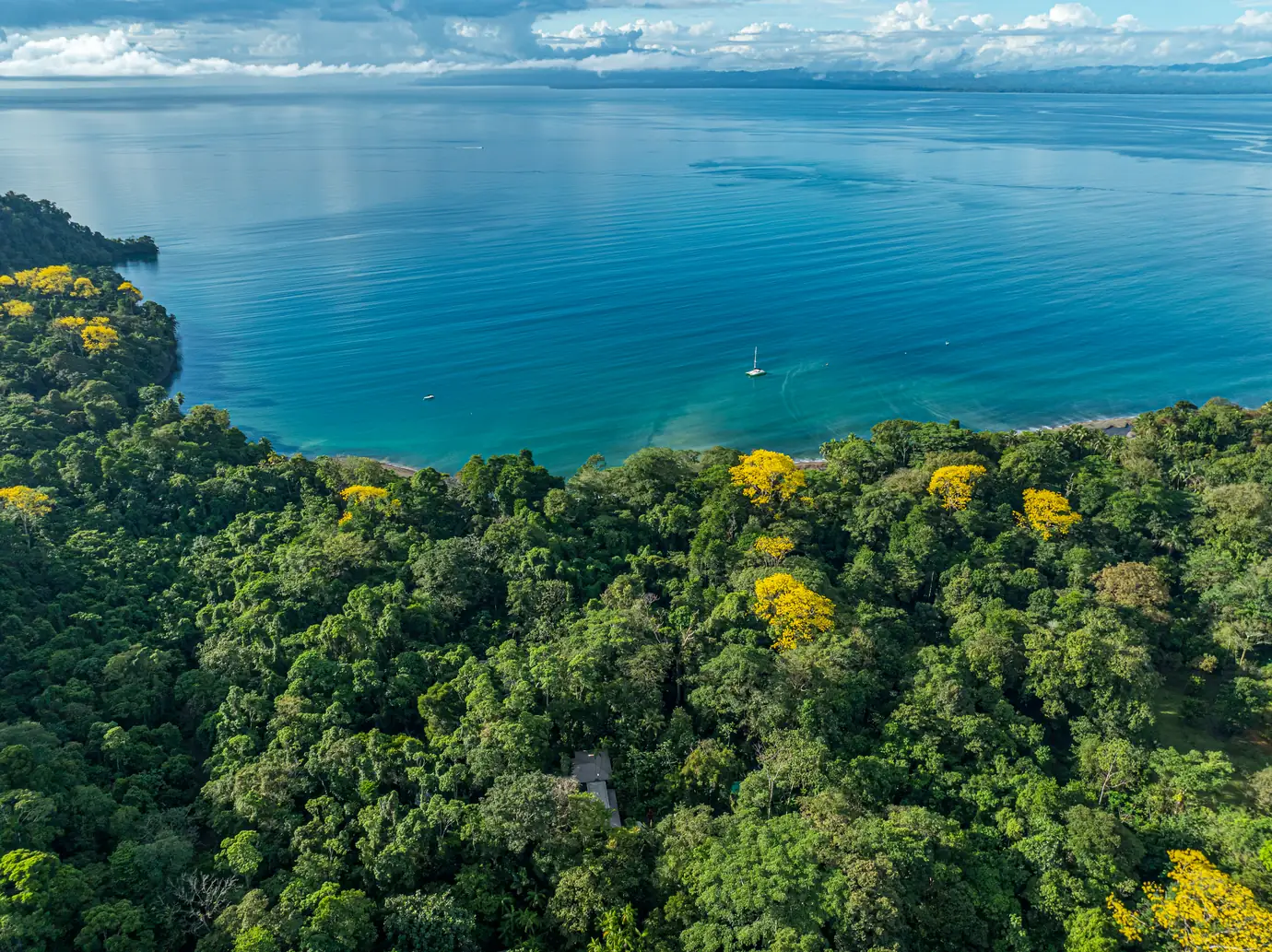
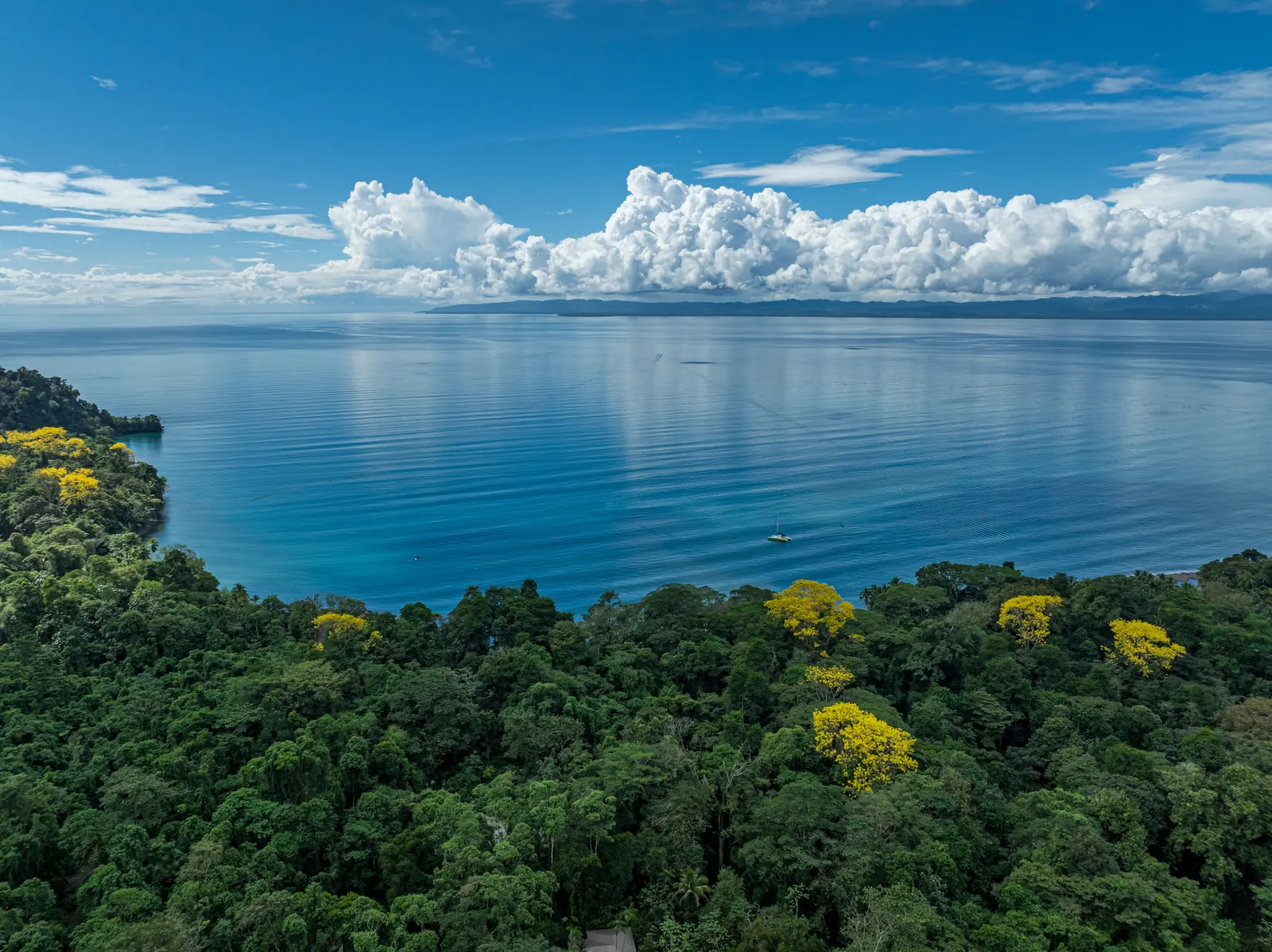
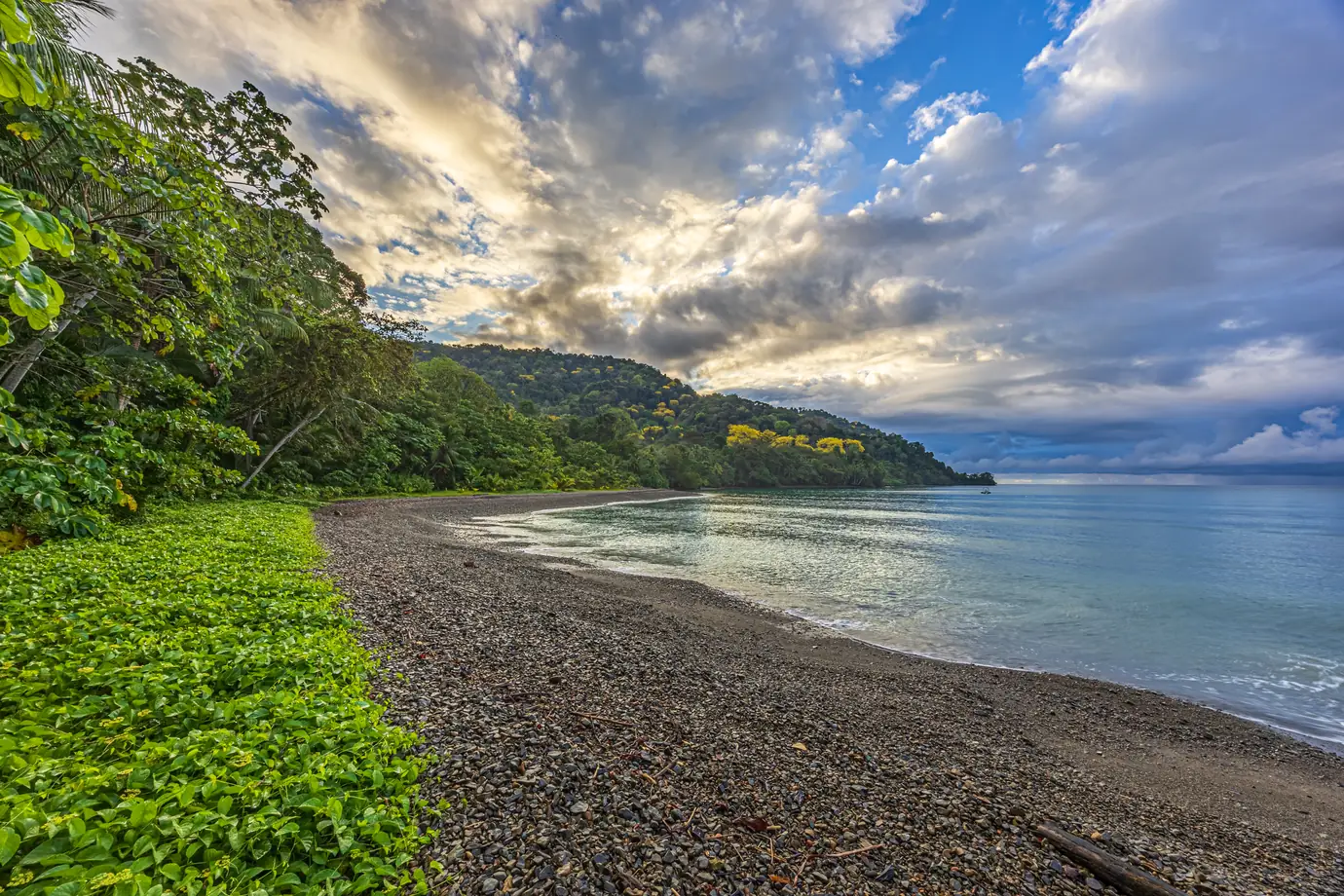
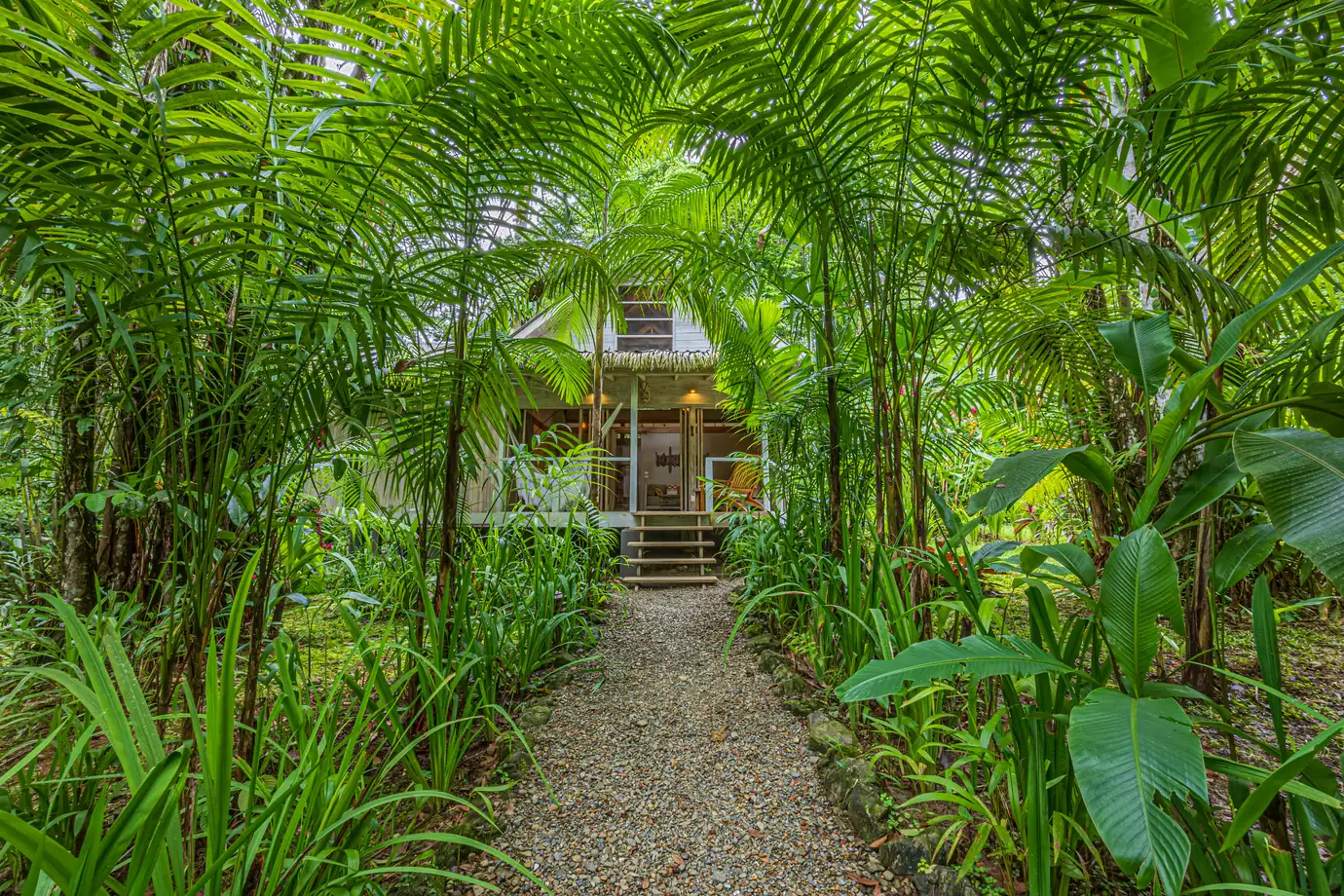
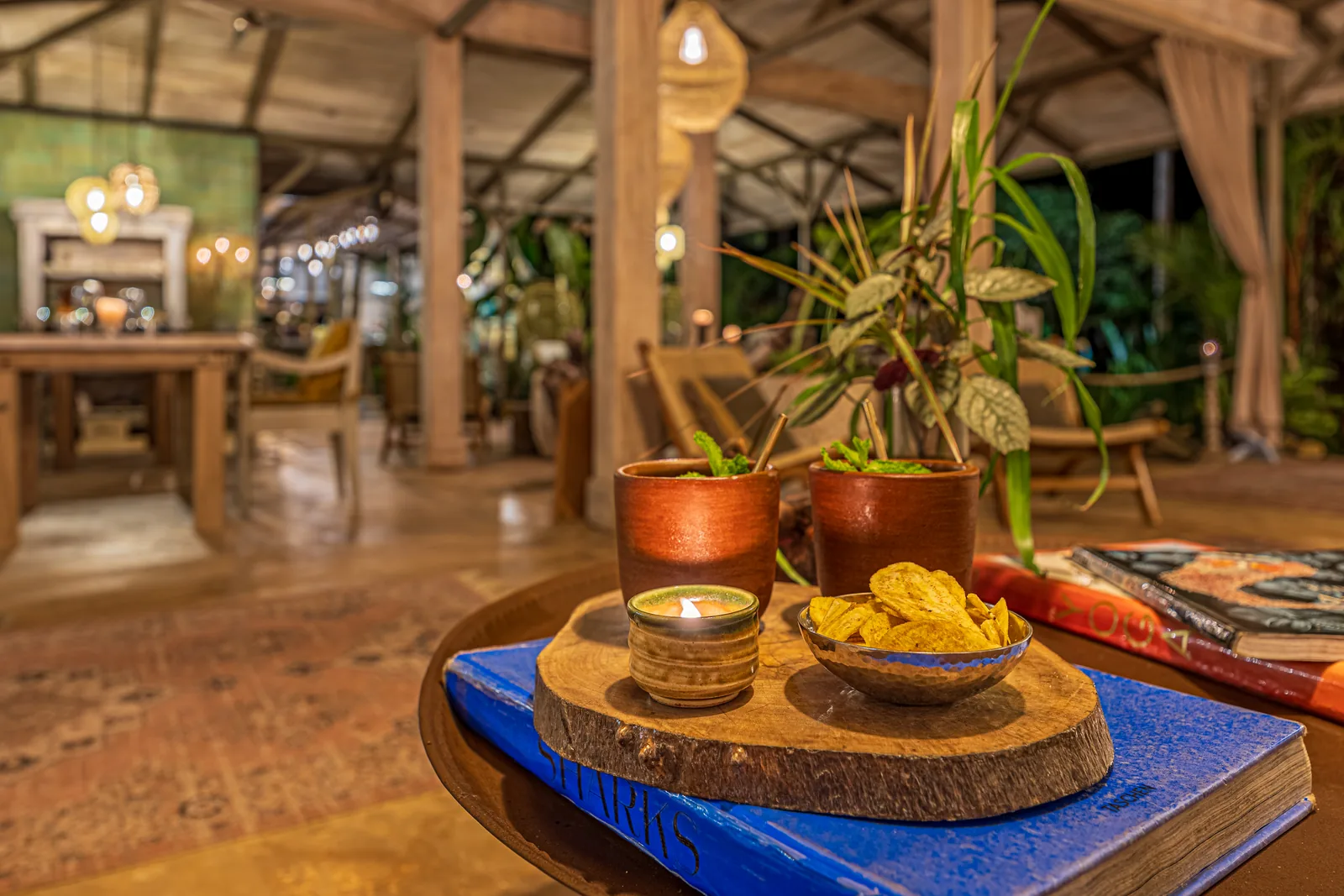
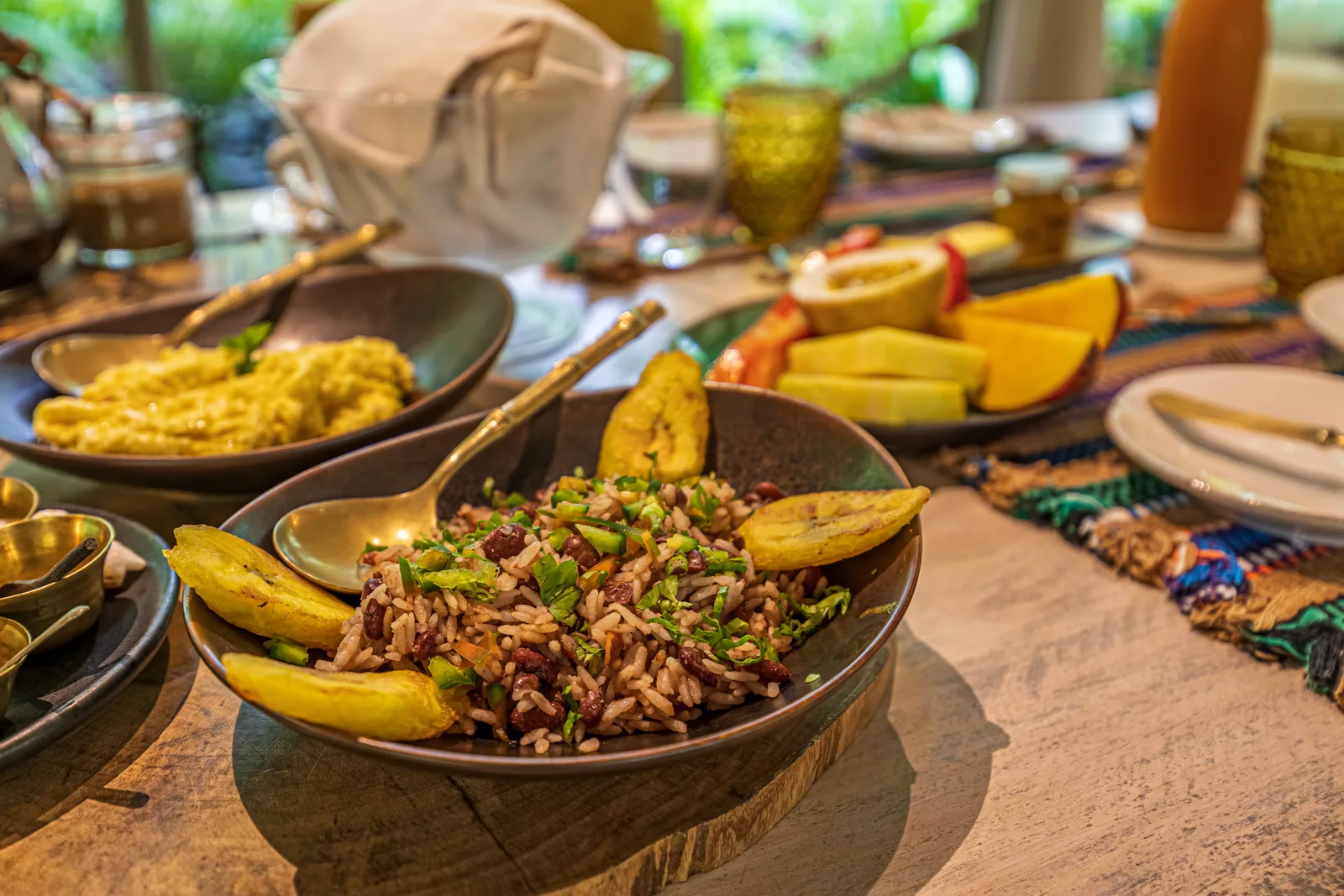
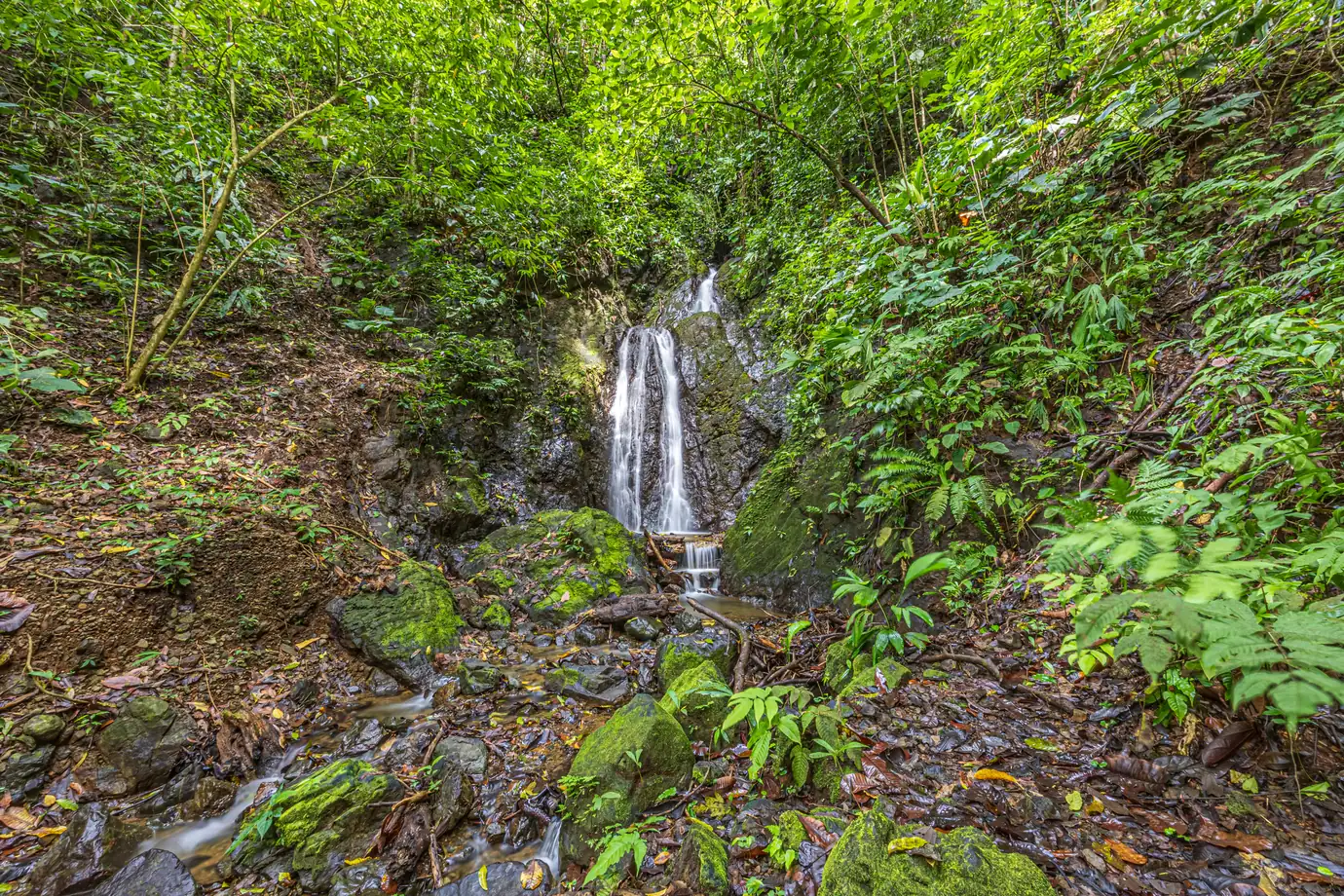
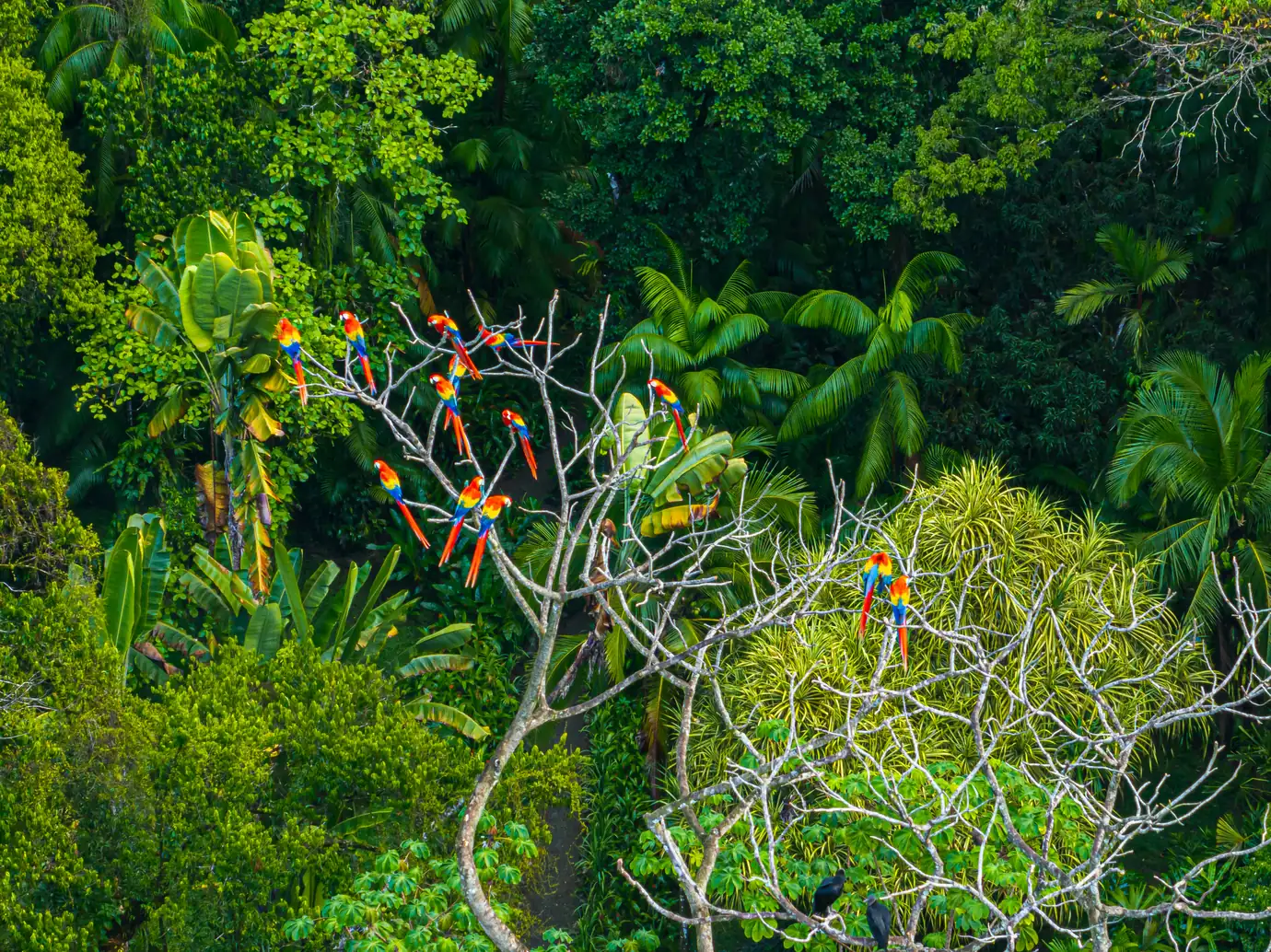
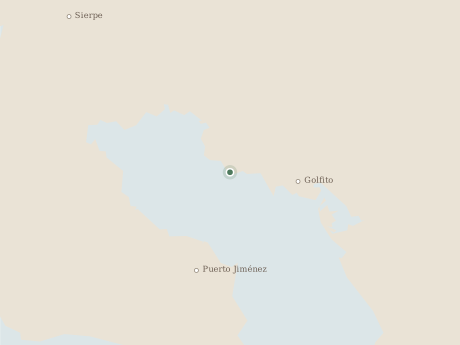
A 680-acre (275-hectare) fully titled estate on the shores of Costa Rica's most biodiverse region. The Golfo Dulce Estate encompasses primary rainforest, its own waterfall, and direct access to a pristine, swimmable beach. Surrounded by Piedras Blancas National Park and accessible only by boat, it offers exceptional privacy within lands safeguarded from overdevelopment — fully off-grid, yet thoughtfully developed, combining sustainable living with meaningful conservation impact and extensive, well-maintained infrastructure.
A Globally Significant Location
Golfo Dulce is one of only four tropical fjords in the world — a marine biodiversity hotspot recognized as a Humpback Whale Heritage Site, a Mission Blue Hope Spot, and a Hammerhead Shark Sanctuary, with resident dolphins and year-round bioluminescence. Fully titled oceanfront land in this corridor, bordered by national parkland, is close to unrepeatable.
Pristine Rainforest Setting
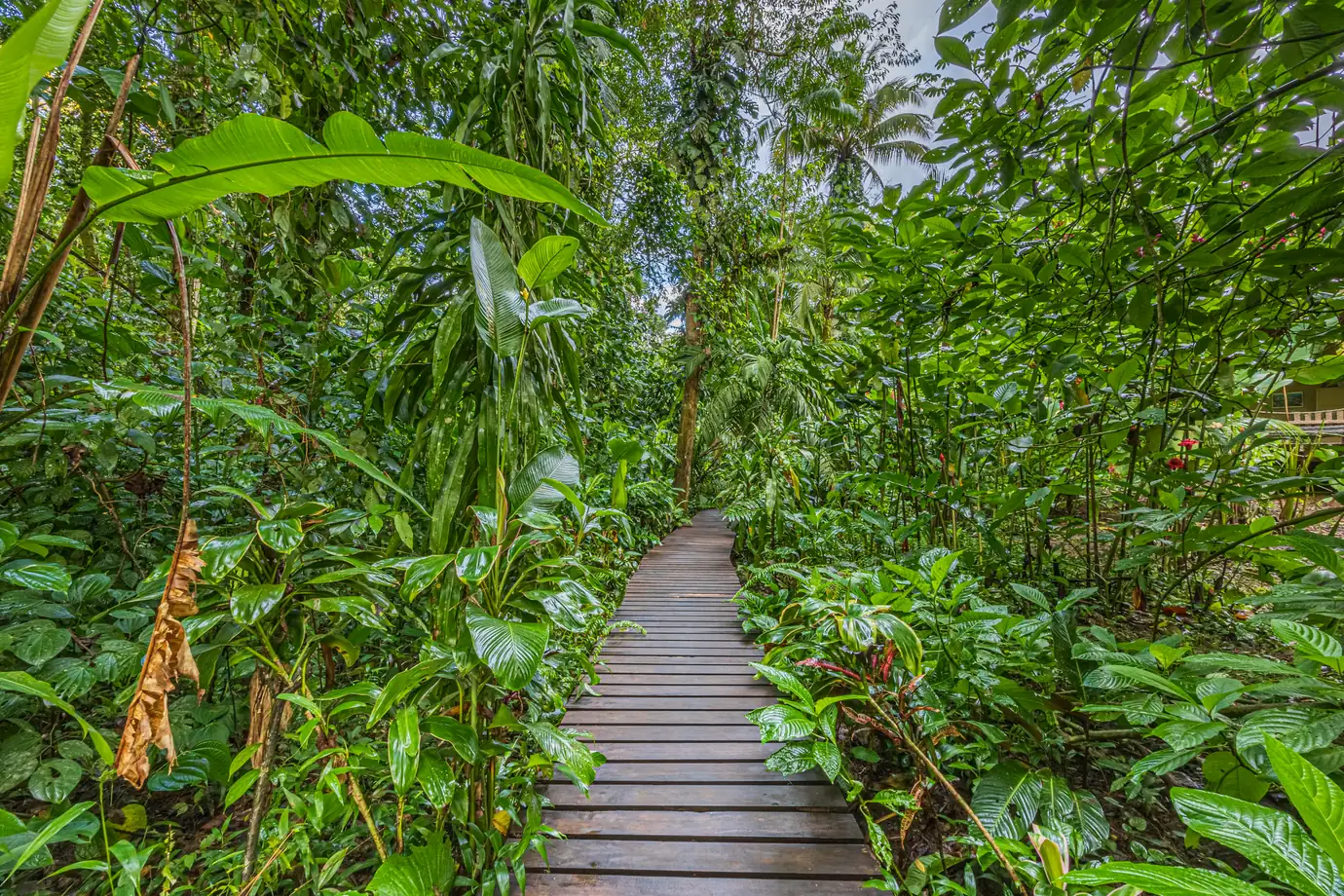
Roughly 90% primary forest cover, a 400-year-old Ceiba tree, a private waterfall with three cascades, streams, and secluded trails. Field surveys have confirmed over 200 bird species, 46 reptiles, 20 amphibians, and 34 mammals — a measure of the estate's ecological integrity, not a marketing estimate.
Seclusion Without Isolation
Just 45 minutes from the capital via multiple daily flights, followed by a short boat ride across the calm waters of the Golfo Dulce. Regional infrastructure continues to improve, including two super-yacht marinas now in development.
Off-Grid Living with Modern Comforts
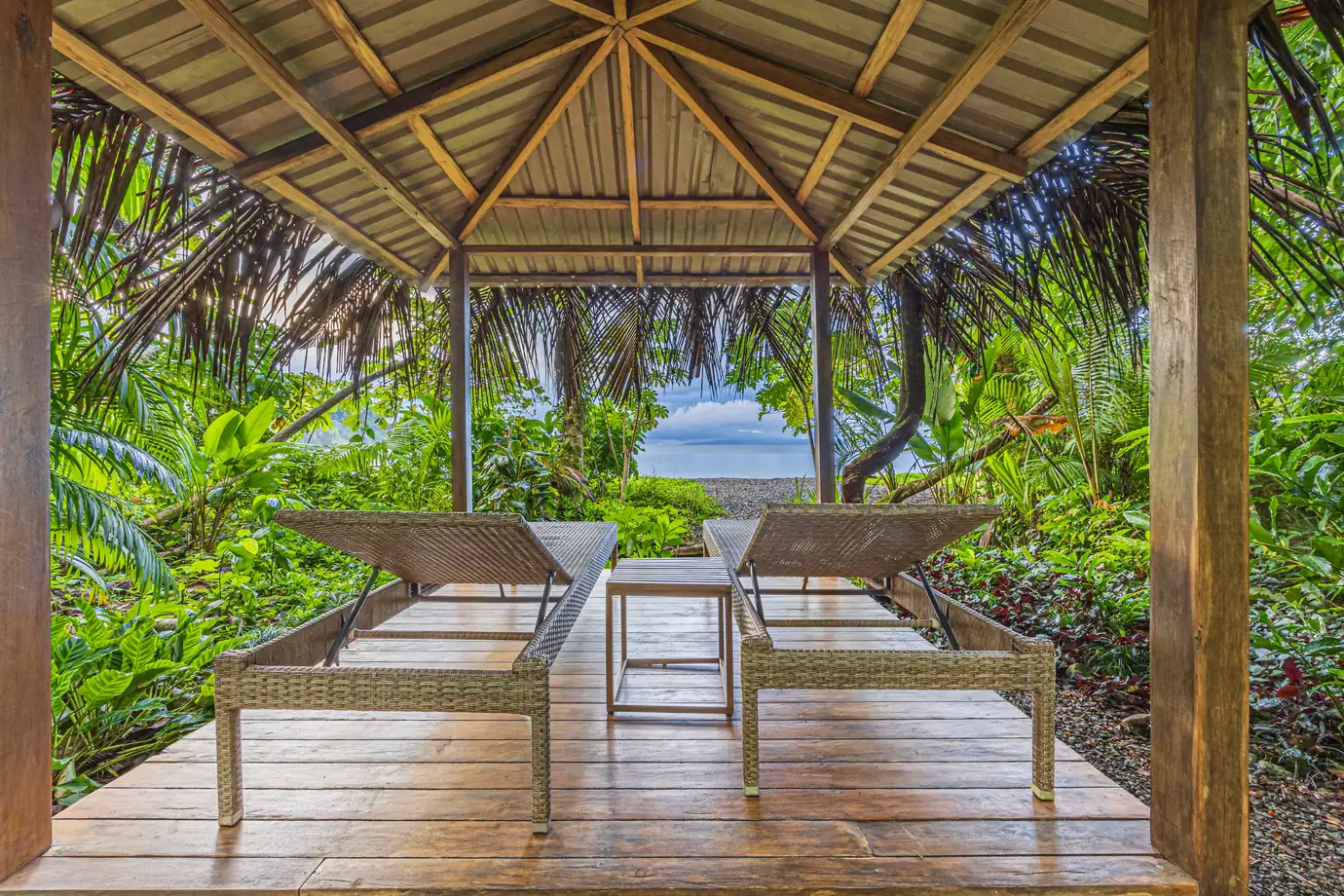
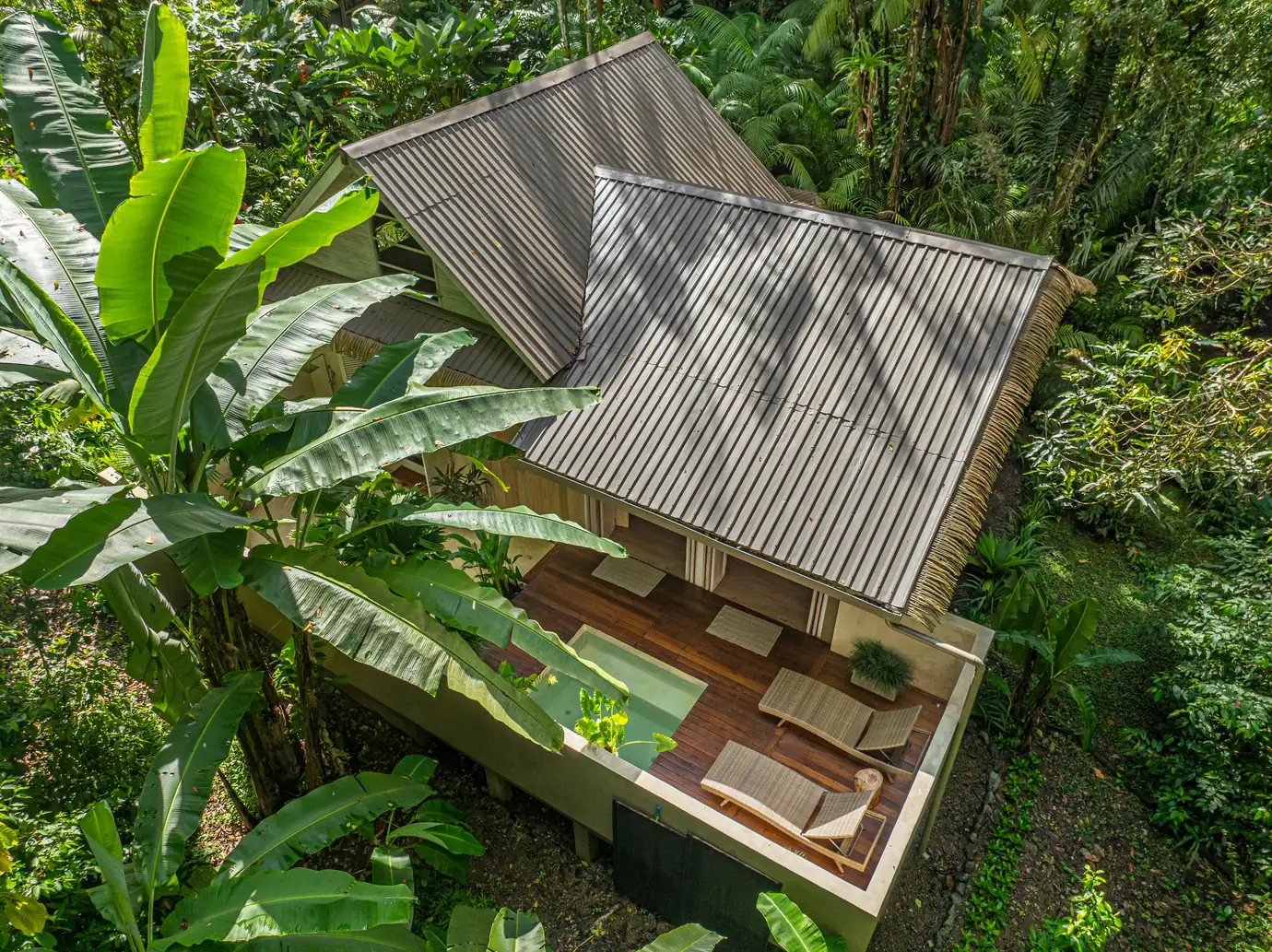
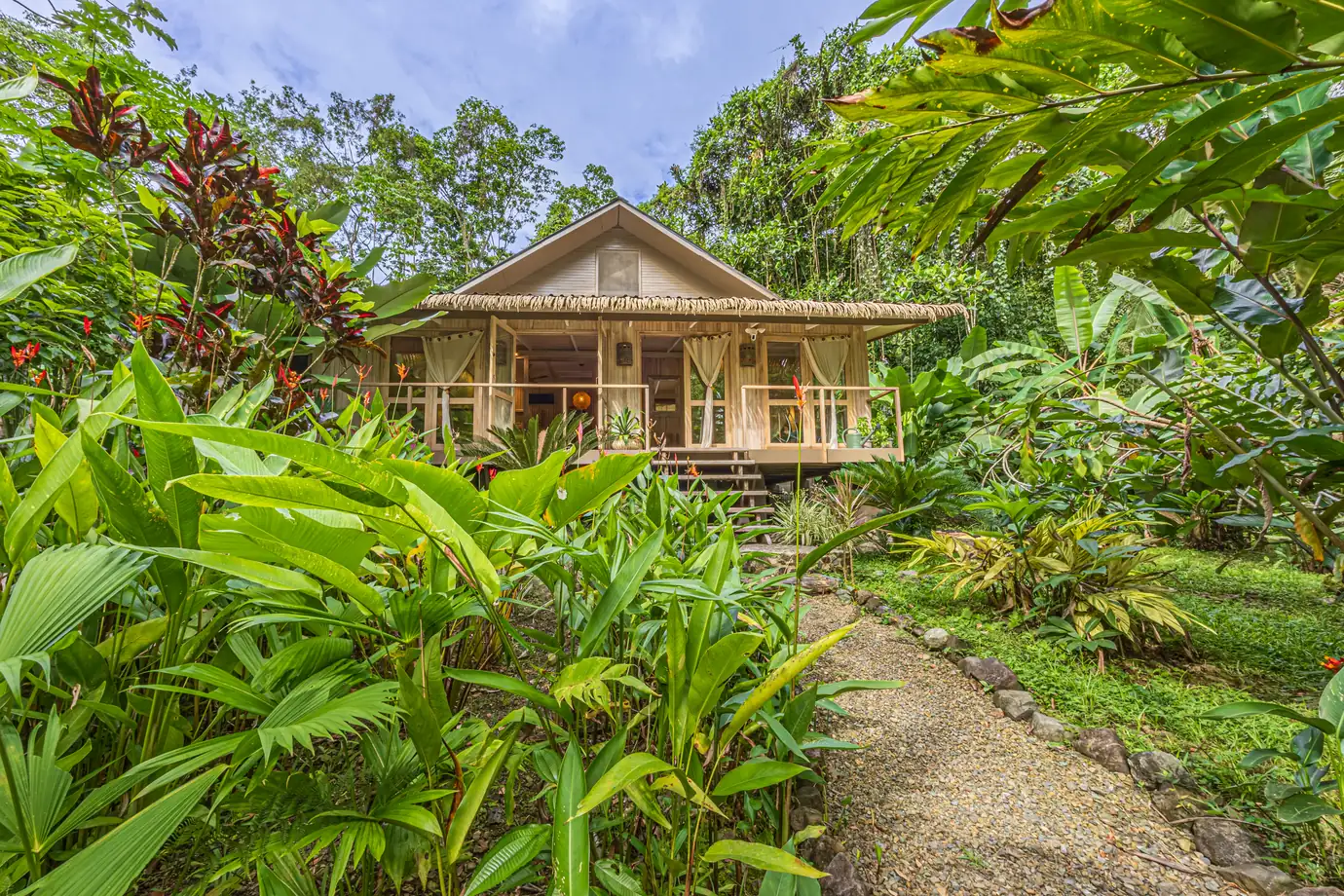
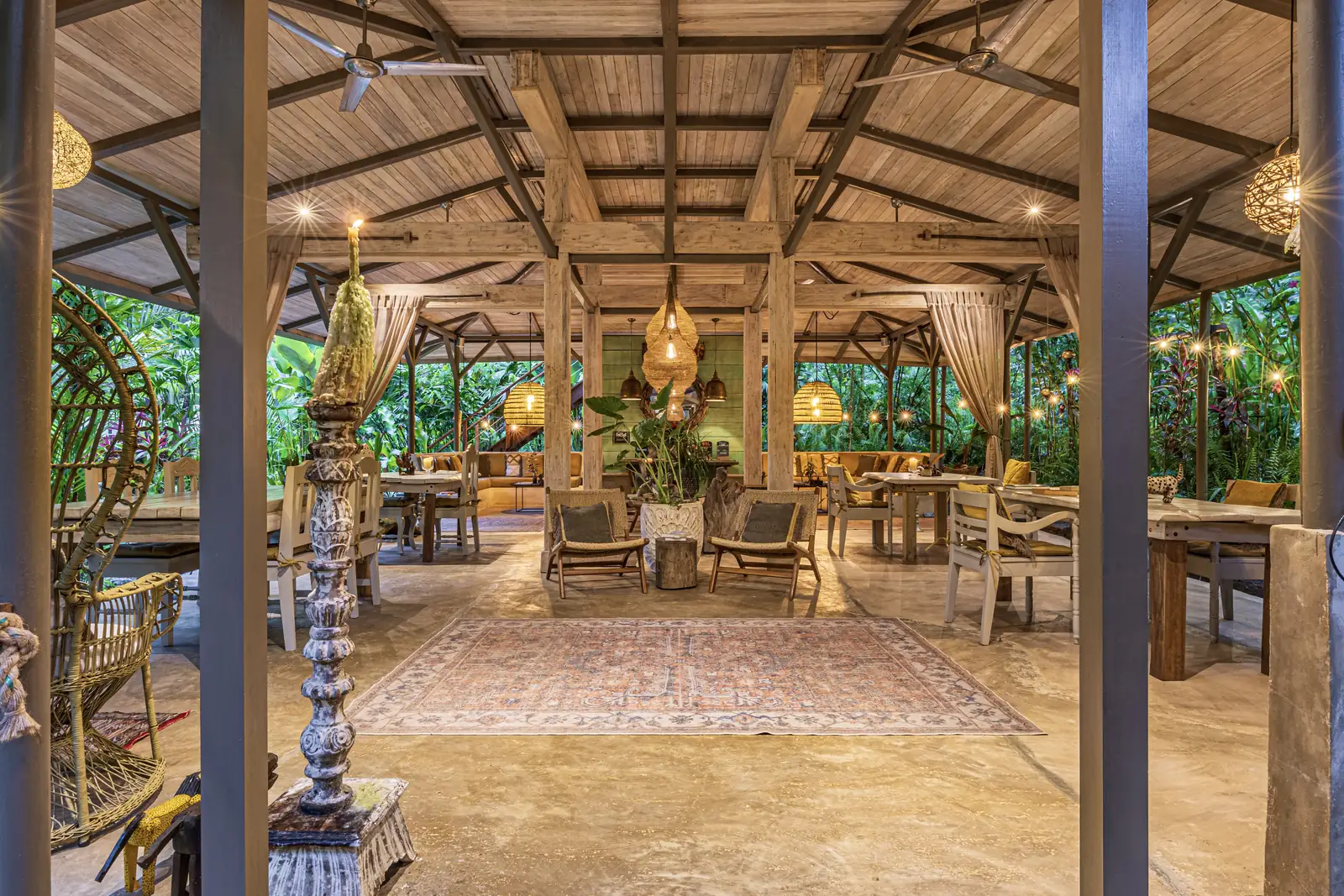
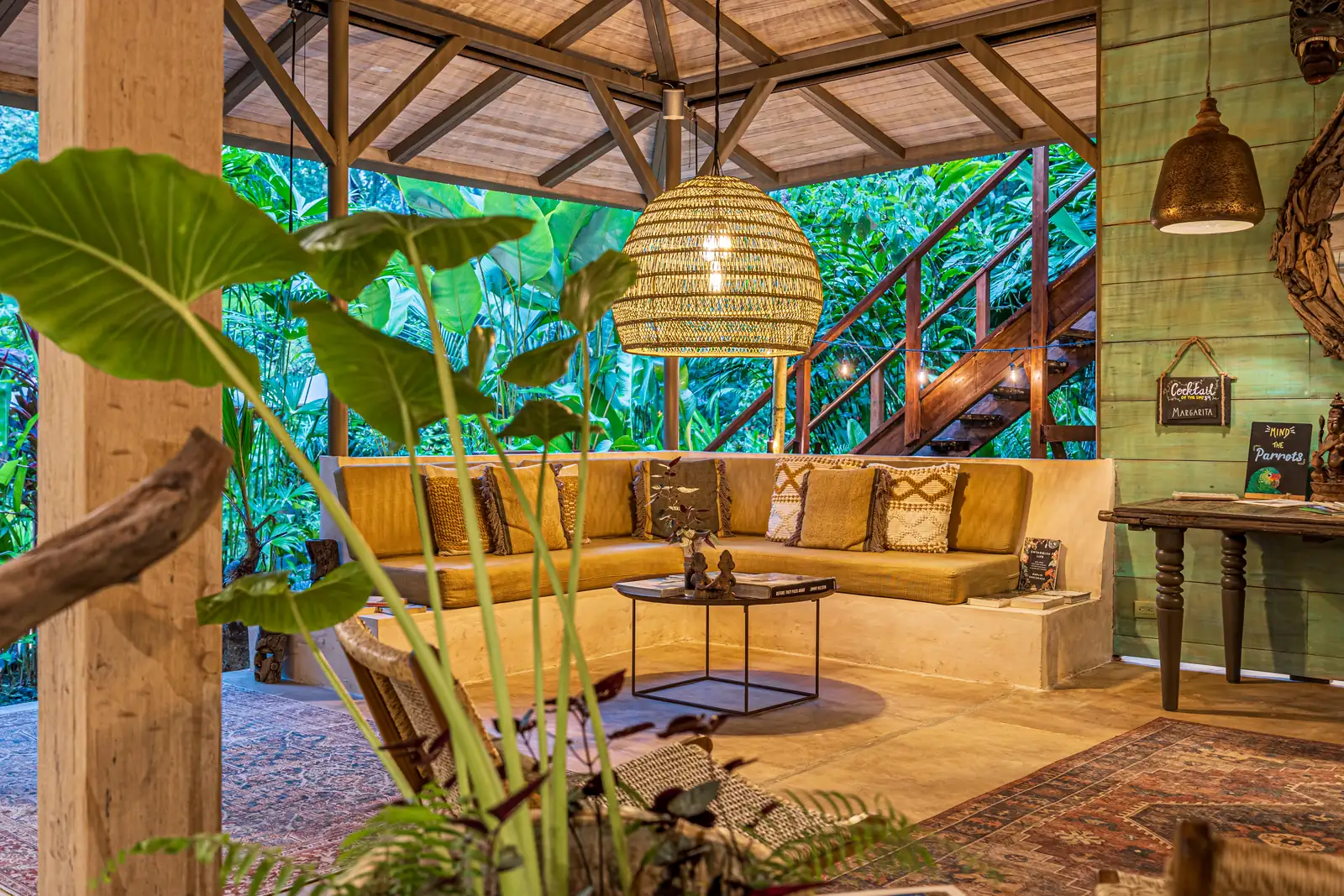
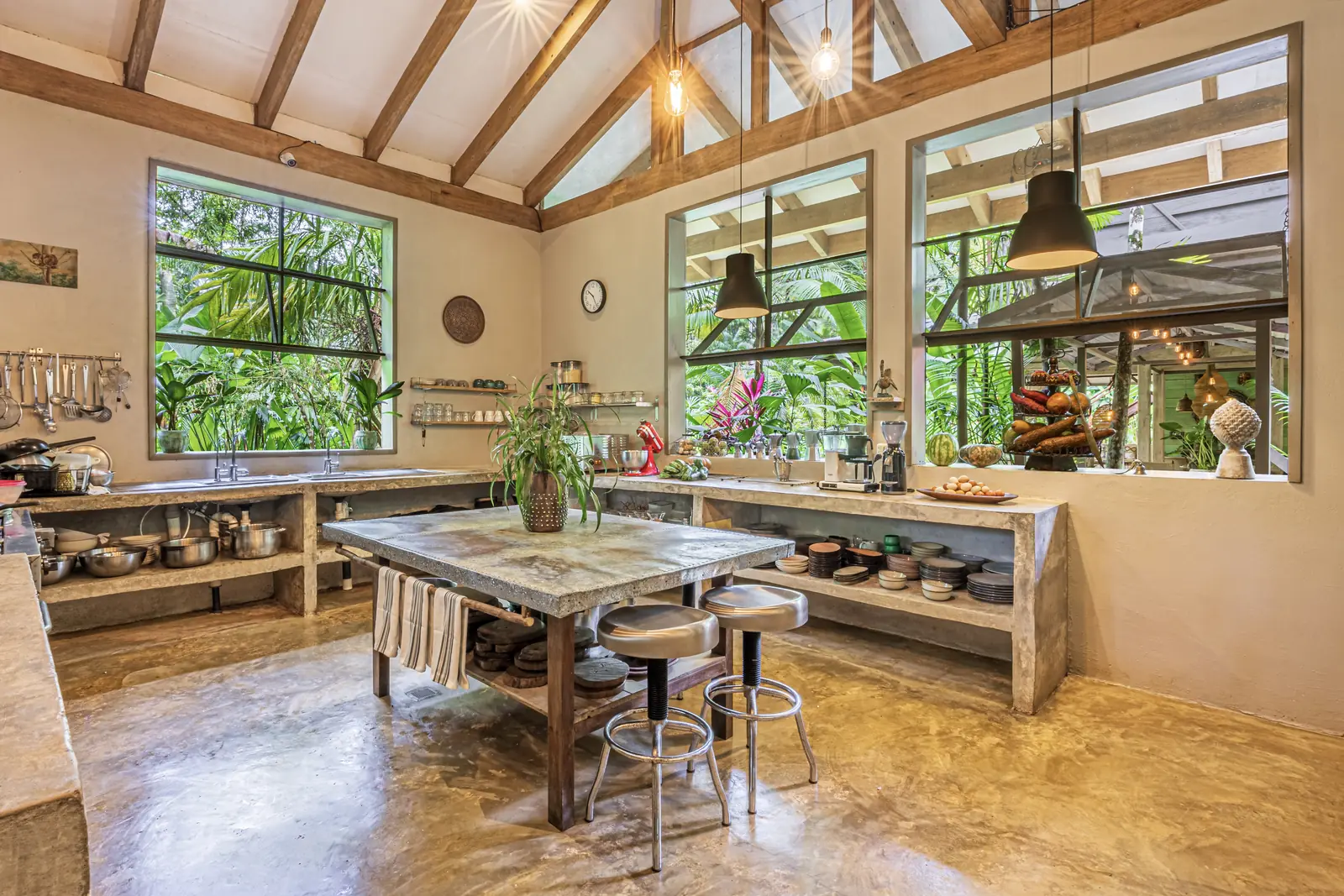
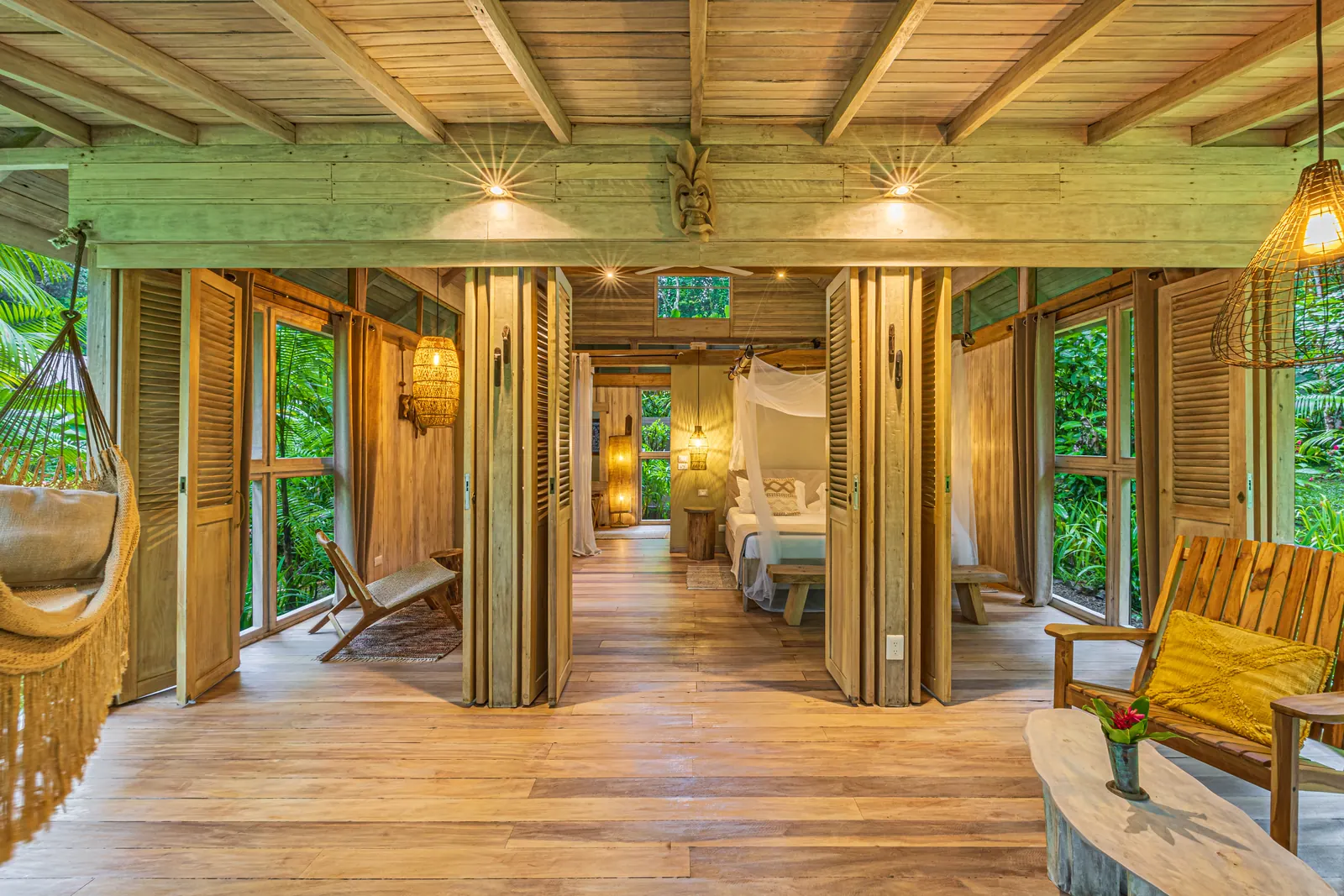
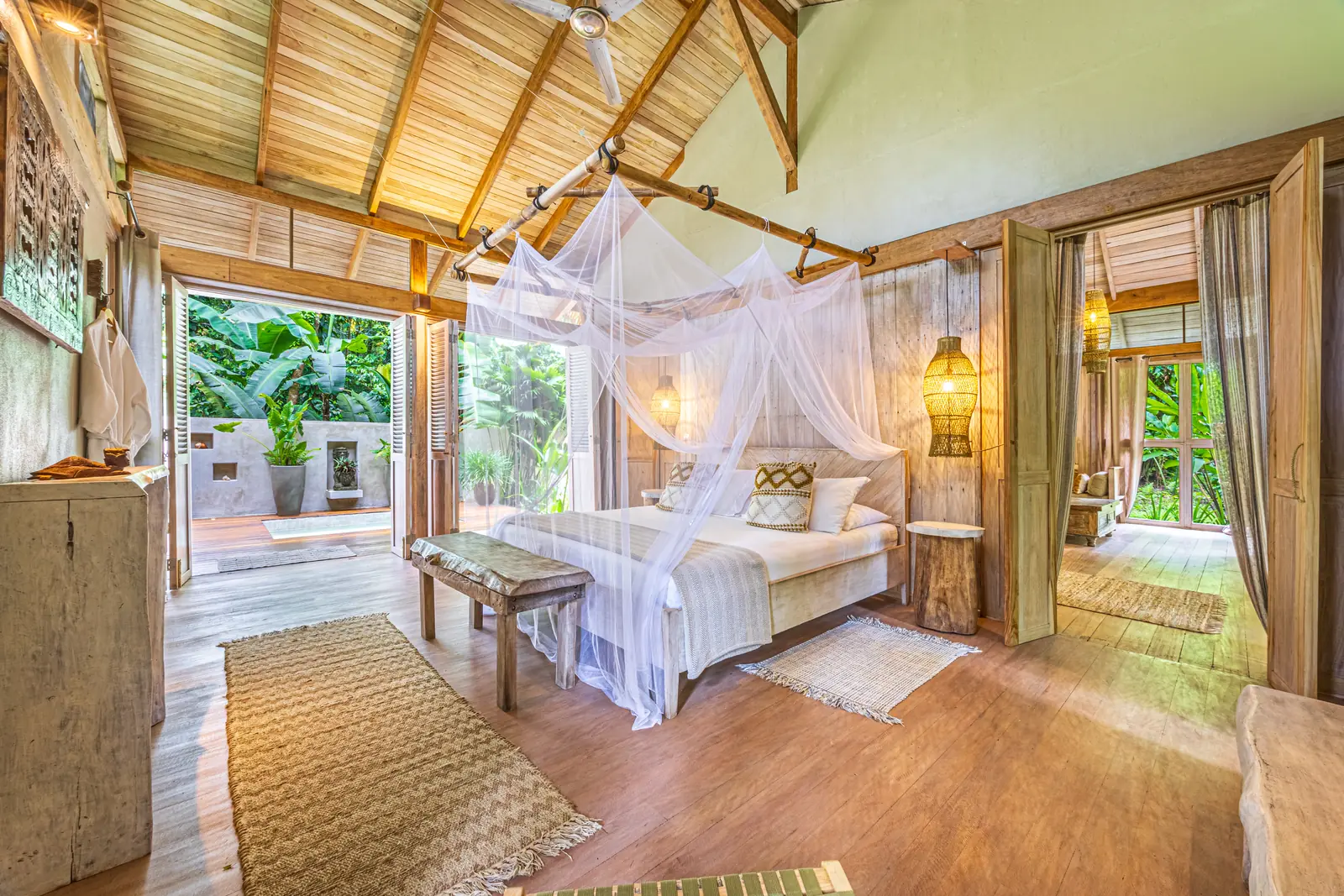
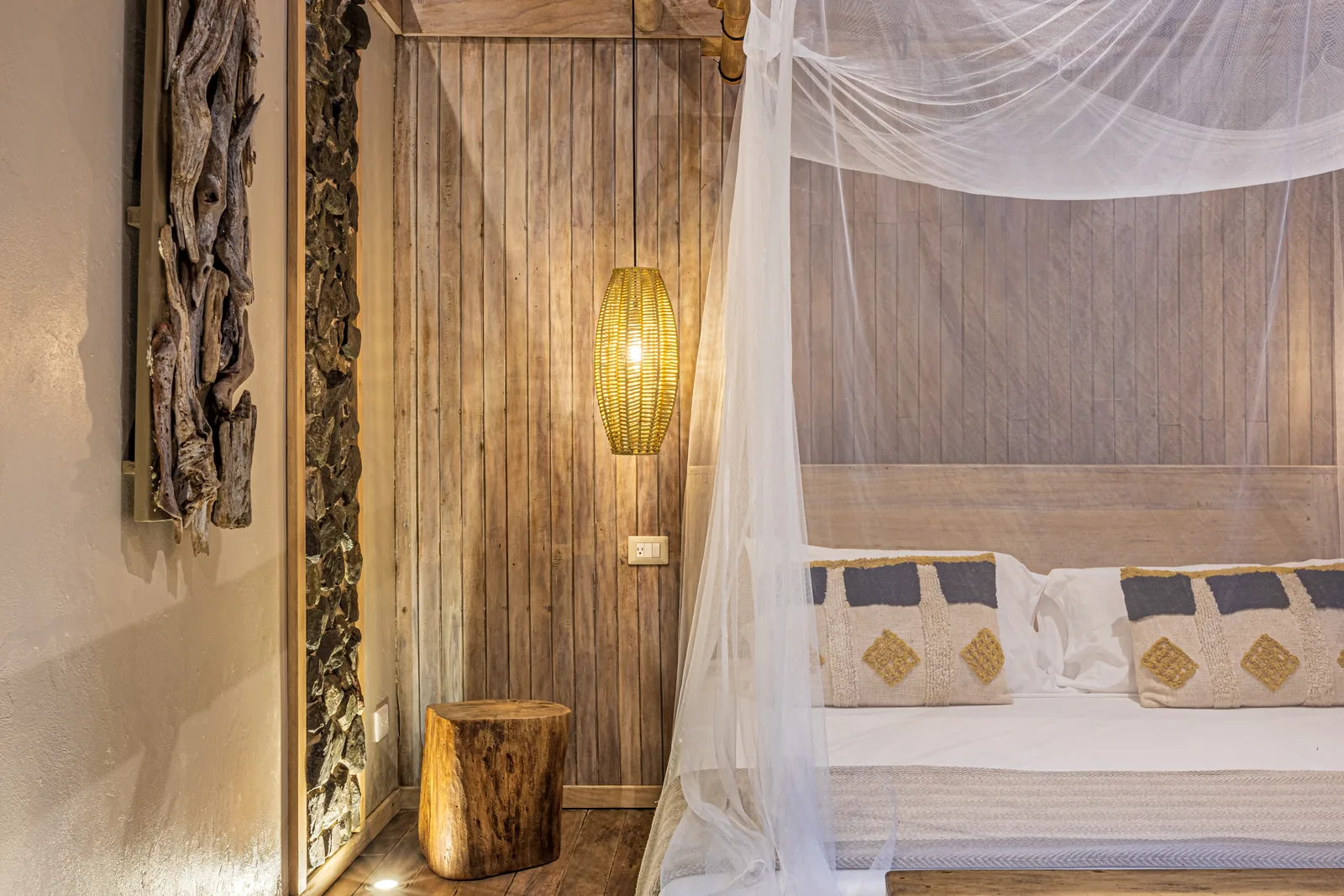
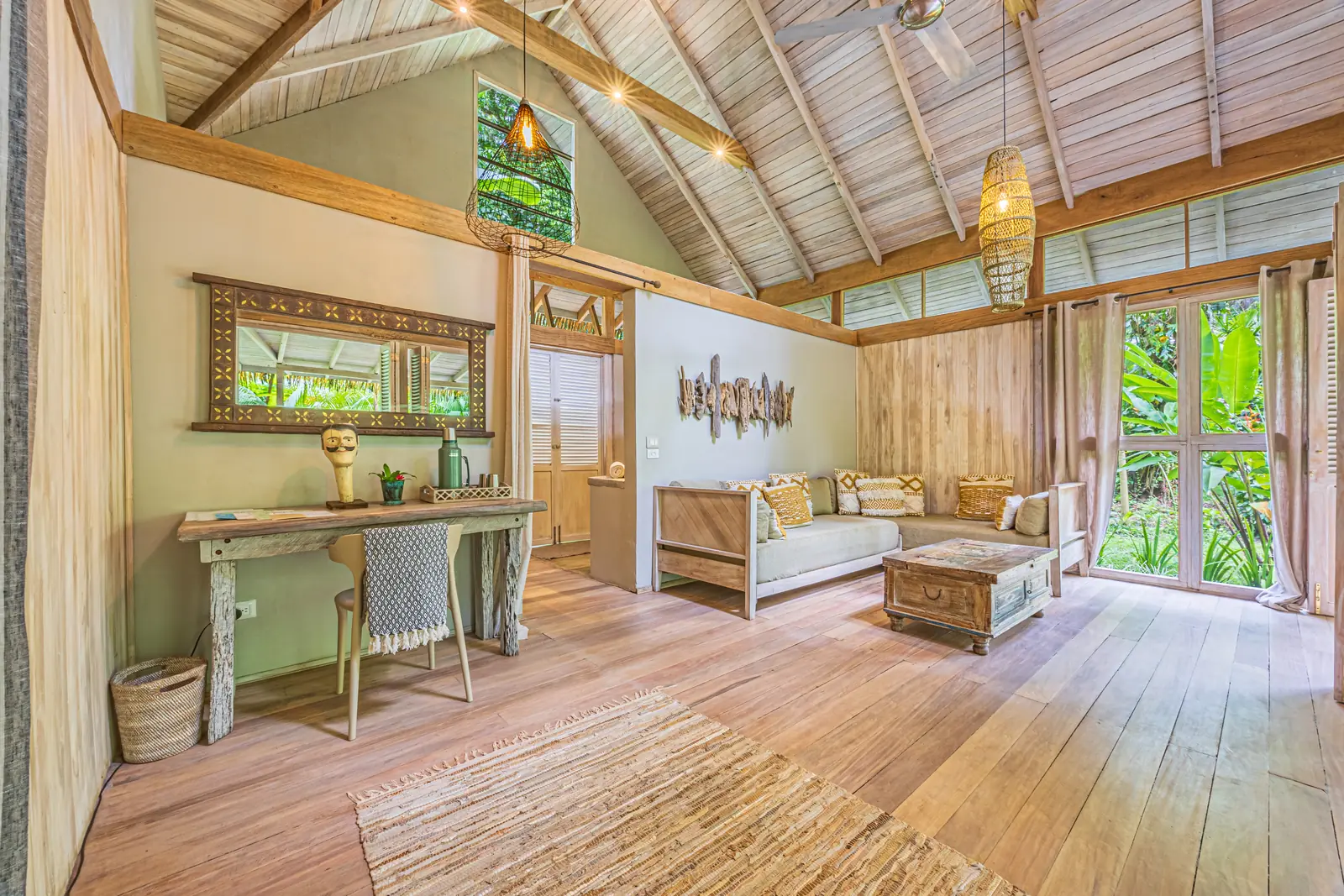
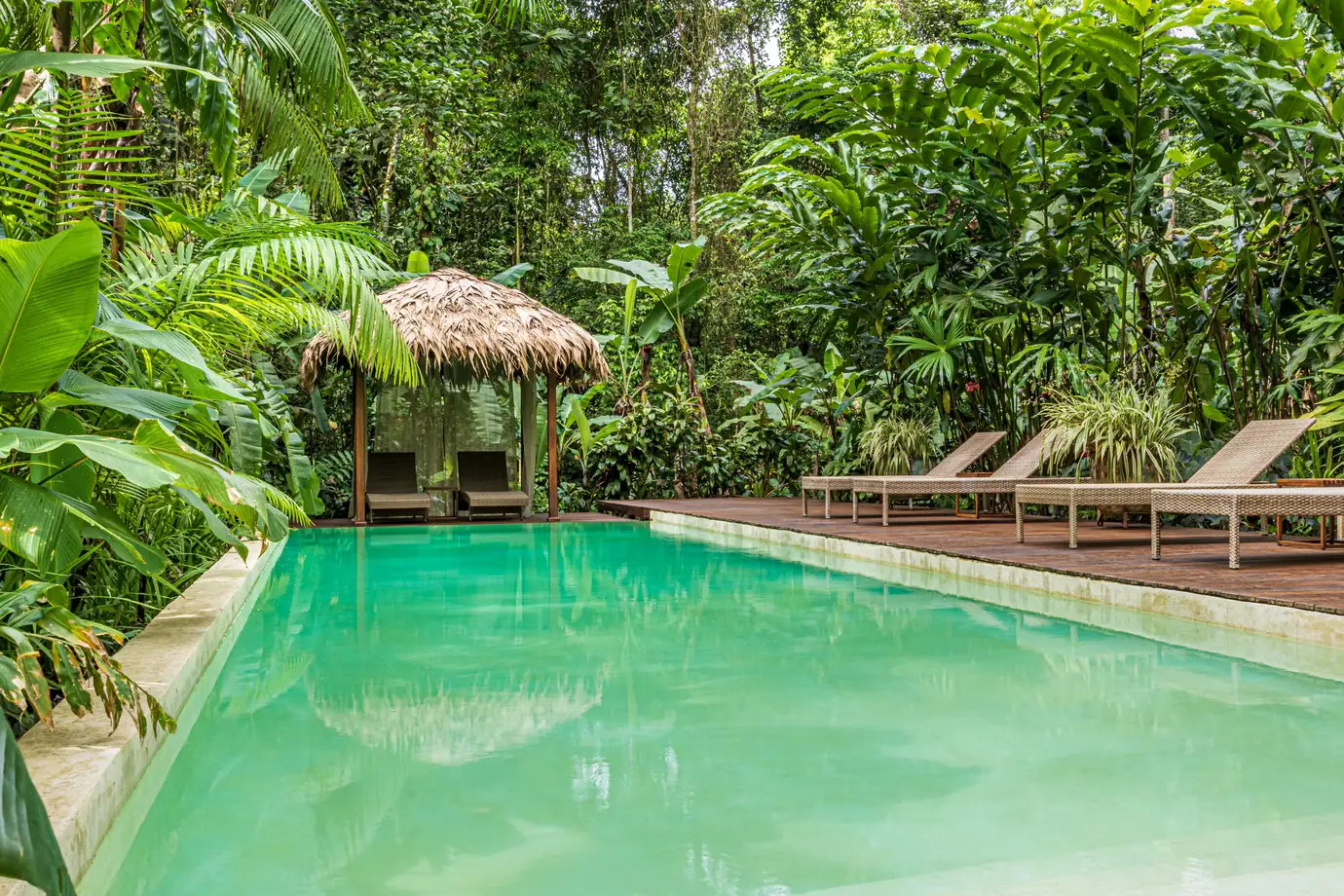
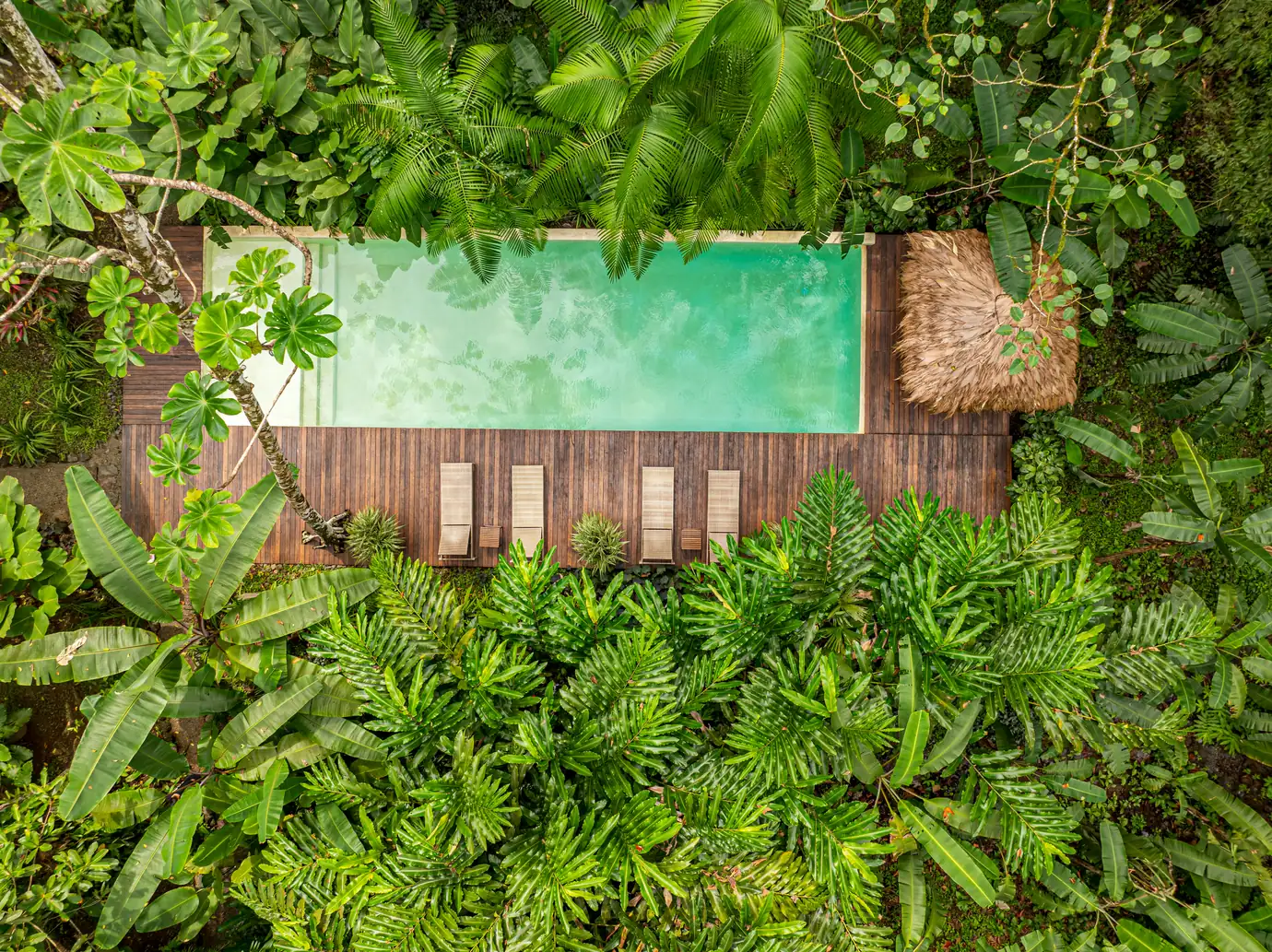
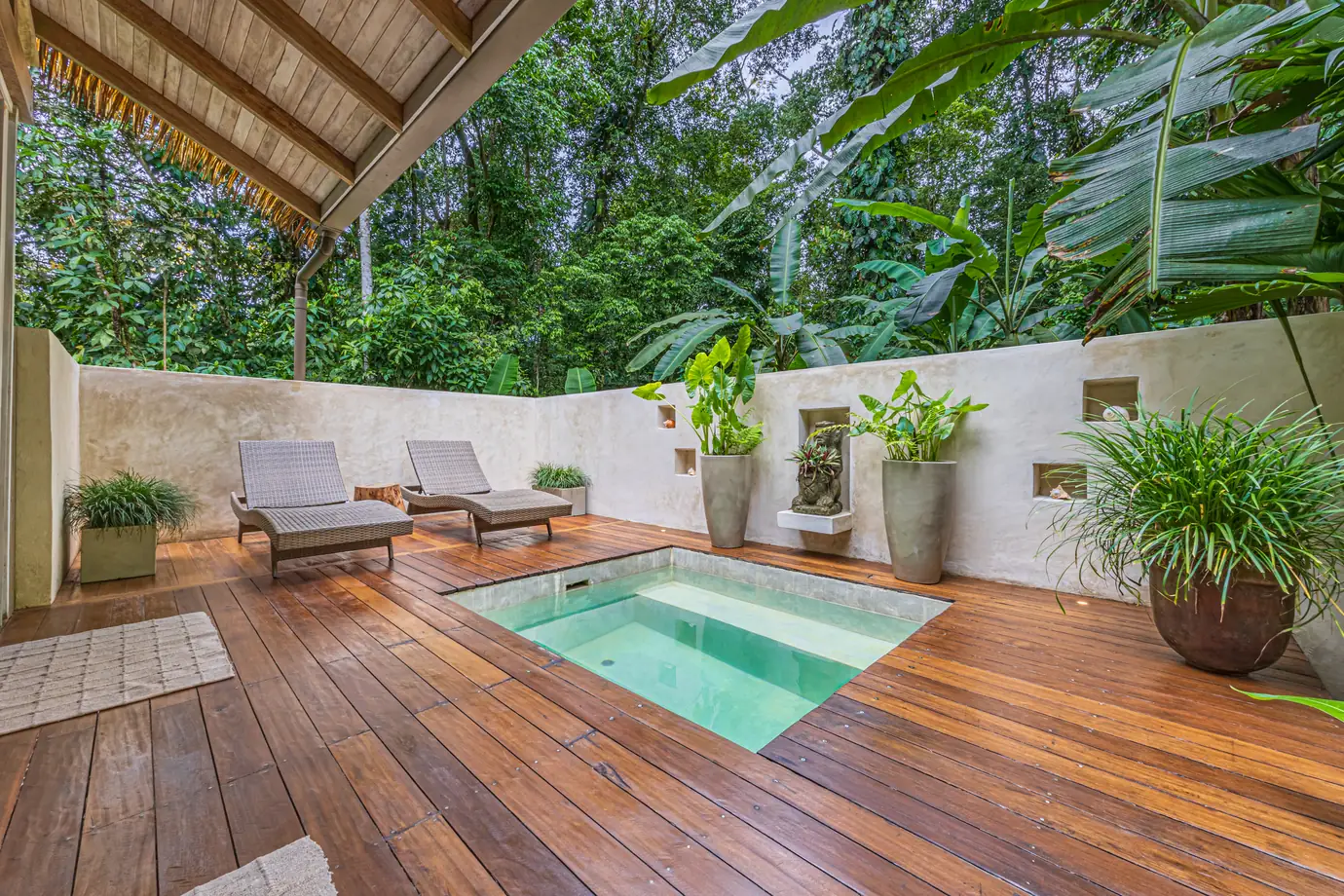
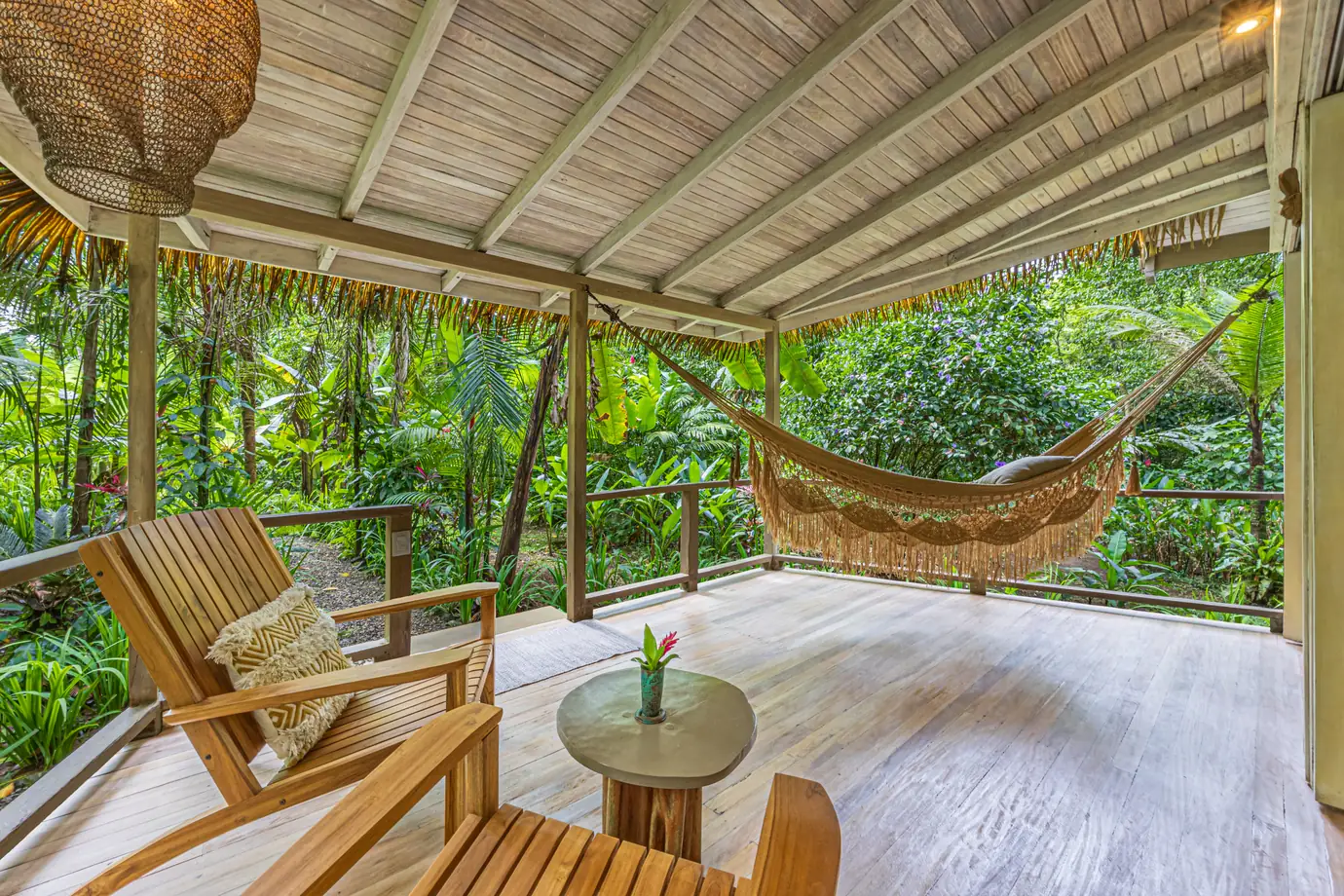
15,570 sq ft of infrastructure: refurbished luxury cabins, a professionally equipped open-plan kitchen, a two-level lounge and dining pavilion, a 50-foot swimming pool, and beachfront cabanas set within mature tropical gardens. Also included are dedicated accommodations for researchers and caretakers, a staff kitchen, off-grid power generation, a potable water system, fiber-optic internet, two 24-foot passenger boats, and a remotely parked 4×4.
A Proven Conservation Legacy
Over 40 years of ecological restoration and species protection, with ties to leading environmental organizations. The estate's scale, location, and biodiversity make it an exceptional platform for future conservation, research, education, and philanthropic work.
Why the Numbers Hold
Three things a buyer evaluating this as an asset tends to ask about. There is no competing supply — the remoteness that makes the estate private also means no tour operators and no Airbnb inventory nearby, so the hospitality operation has nothing local eroding its rates. The location sits outside the hurricane belt, and the humid, dense rainforest makes it naturally resistant to wildfire. And the commercial licenses are current, with an established network of local suppliers already in place, so an incoming owner continues an operating business rather than restarting one.
An Established Hospitality Offering
Primarily a private residence, the estate also operates at select times of the year as a highly rated boutique retreat. The existing operation — with its commercial licenses, permitted infrastructure, and established reputation — gives a future owner a real platform to continue, refine, or expand.
This is the kind of asset discussed in my market intelligence on the Southern Zone: significant titled land in this corridor rarely comes to market. If you're evaluating how it fits within a broader portfolio, I'm glad to walk you through the details.